Wollmatten: A Complete Guide to Natural Wool Mats for Home, Garden, and Everyday Comfort
Wollmatten are becoming a popular choice for people who want natural, practical, and eco-friendly materials in their homes and gardens. The word comes from German, where “Woll” means wool and “Matten” means mats. In simple words, wollmatten are wool mats made from natural sheep wool or wool-based fibers.
At first, they may sound like a simple household or gardening product, but wollmatten can be surprisingly useful. They can add warmth to interiors, protect plants from cold weather, reduce weeds in garden beds, support moisture retention, and offer a more sustainable alternative to synthetic mats. Their value comes from the natural qualities of wool itself: softness, insulation, breathability, durability, and biodegradability.
Whether you are searching for wollmatten for your living space, balcony garden, indoor plants, yoga corner, or outdoor landscaping, this guide explains what they are, how they work, where they are used, and how to choose the right type.
What Are Wollmatten?
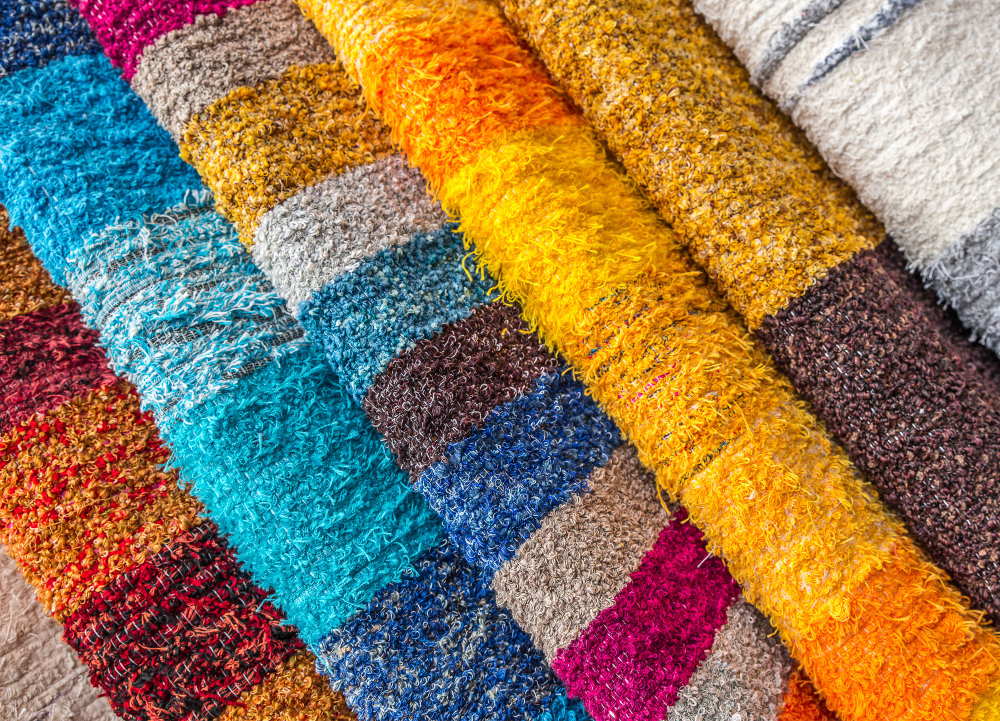
Wollmatten are mats made from wool fibers. Depending on the purpose, they may be woven, felted, pressed, layered, or blended with other natural materials. Some are soft and decorative, while others are dense and functional. A wool mat for a bedroom will look and feel different from a wool mulch mat used around plants, but both belong to the wider idea of wollmatten.
The most common types include:
Wool floor mats for bedrooms, living rooms, hallways, and cozy interior spaces
Wool yoga or meditation mats designed for comfort, warmth, and natural texture
Wool garden mats used as mulch, frost protection, and weed control
Wool insulation mats used in certain building or soundproofing applications
Wool pressing mats used in sewing, quilting, and craft work
The main appeal of wollmatten is that they combine function with natural material value. They are not just about appearance. They are about comfort, temperature control, plant protection, and sustainability.
Why Wollmatten Are Popular
People are paying more attention to what they bring into their homes. Synthetic materials can be cheap and convenient, but they often lack the natural feel and long-term environmental benefits of wool. Wollmatten appeal to homeowners, gardeners, decorators, and eco-conscious buyers because they offer a practical middle ground.
They feel warm and comfortable, but they are also tough enough for regular use. They can help protect plants, but they can also break down naturally over time when used outdoors. They fit modern interiors, but they also work well in rustic, organic, and minimalist spaces.
Another reason for their popularity is versatility. One person may use wollmatten as a cozy rug beside the bed, while another may use them to protect balcony pots from frost. A gardener may use wool mats to reduce weeds around young plants, while a crafter may use a small wool pressing mat for sewing projects.
Key Benefits of Wollmatten
Natural Warmth and Insulation
One of the biggest advantages of wollmatten is warmth. Wool fibers naturally trap air, which helps create an insulating layer. This makes wool mats useful in colder rooms, drafty areas, or spaces with hard flooring.
A wool mat placed beside a bed, under a desk, or in a reading corner can make the space feel softer and warmer. For gardens, wool mats can help protect plant roots from sudden cold and frost. This is especially useful for potted plants, balcony planters, roses, herbs, and other sensitive plants during colder months.
Comfortable Texture
Wool has a naturally soft and cushioned feel. That is why wollmatten are often used in bedrooms, nurseries, meditation rooms, and cozy corners. They create a more inviting surface underfoot compared to many synthetic mats.
The texture can vary depending on the mat. Some wool mats are thick and plush, while others are flat, firm, and felt-like. For home decor, a softer wool mat may be better. For gardening or insulation, a denser mat is usually more practical.
Eco-Friendly Material Choice
For buyers who care about sustainability, wollmatten are a strong option. Wool is a renewable natural fiber. When untreated or minimally treated, it can also be biodegradable. This makes wool garden mats especially useful because they can gradually return to the soil instead of leaving plastic waste behind.
Many synthetic weed mats and garden fabrics are made from plastic-based materials. They may work for a while, but they can break into small pieces over time. Wool mats offer a more natural alternative for people who want to garden with fewer synthetic products.
Moisture Retention in Gardens
In gardening, wollmatten can help keep moisture around the soil. When placed around plants, they act like a protective layer that slows down evaporation. This can be helpful during dry weather, especially for pots, raised beds, and young plants that need steady moisture.
This does not mean wool mats replace watering, but they can support better moisture management. For busy gardeners, this can make plant care easier and more efficient.
Weed Control
Wool garden mats can also help reduce weeds. When placed over soil, they block light from reaching weed seeds. Without enough light, many weeds struggle to grow. This makes wollmatten useful around vegetables, herbs, shrubs, trees, and ornamental plants.
Unlike plastic weed barriers, wool mats are usually more breathable. They allow water and air to move through while still creating a layer of protection over the soil.
Durability and Long-Term Use
Good-quality wollmatten can last a long time when used properly. Indoor wool mats are known for their resilience because wool fibers can spring back after pressure. This makes them suitable for moderate foot traffic areas.
Outdoor wool mats used in gardens naturally break down over time, but that can be part of their purpose. Instead of staying in the soil as waste, they slowly decompose and become part of the garden environment.
Common Uses of Wollmatten
Wollmatten for Home Interiors
Inside the home, wollmatten can be used as floor mats, bedside mats, area rugs, or comfort layers. They work especially well in spaces where warmth and texture matter.
A wool mat can soften a wooden floor, make a bedroom feel more relaxed, or add natural character to a minimalist room. Neutral wool tones, such as cream, beige, grey, and brown, are especially popular because they blend easily with many interior styles.
For interior use, look for wool mats that are properly finished, easy to clean, and suited for foot traffic. If the mat will be placed near a doorway, choose a firmer texture. If it will be used in a bedroom or sitting area, a softer mat may feel better.
Wollmatten for Gardens
Garden wollmatten are used as mulch mats, frost protection mats, and weed-control layers. They are often placed around plant bases, over soil, or around pots.
They can be helpful for:
Vegetable beds
Balcony planters
Fruit trees
Shrubs
Herbs
Flower beds
Greenhouse plants
Potted plants during winter
Gardeners often choose wool mats because they are natural, breathable, and useful for both protection and moisture control.
Wollmatten for Plant Winter Protection
Cold weather can damage sensitive plant roots, especially in pots. Soil in containers freezes more easily than soil in the ground. Wrapping or covering pots with wool mats can add insulation and reduce stress on the plant.
This makes wollmatten useful for winter gardening. They can be wrapped around pots, placed over soil, or used as a protective layer around root zones. For best results, secure the mat properly so it does not shift in wind or heavy rain.
Wollmatten for Yoga and Meditation
Some people use wool mats for yoga, stretching, and meditation. Wool offers natural warmth and comfort, which can be especially pleasant during slower practices. A wool mat may not provide the same grip as a rubber yoga mat, so it is better suited for gentle yoga, meditation, breathwork, or relaxation rather than intense fitness routines.
For this use, choose a soft but stable wool mat that does not slide easily. A non-slip backing can help if the mat is placed on tile, laminate, or polished wood.
Wollmatten for Crafts and Quilting
Wool pressing mats are popular among people who sew, quilt, or work with fabric. Wool holds heat well, which helps press seams smoothly. These mats are usually smaller, dense, and designed for use with an iron.
This type of wollmatten is different from a floor mat or garden mat, but it still uses the natural heat-retaining quality of wool.
How to Choose the Right Wollmatten
Choosing the right wollmatten depends on how you plan to use them. A mat for indoor comfort is not the same as a mat for outdoor plant protection.
Check the Purpose
Start by deciding where the mat will be used. For home decor, focus on softness, design, size, and color. For gardening, focus on thickness, breathability, water retention, and biodegradability. For crafting, focus on density, heat resistance, and size.
Look at the Wool Quality
Not all wool mats are the same. Some are made from pure sheep wool, while others may include recycled wool or blended fibers. Pure wool is often preferred for natural comfort and insulation, while recycled wool can be a smart sustainable choice.
For indoor use, check whether the wool has been cleaned, treated, or finished for daily living. For garden use, check whether the mat is safe for soil and plants.
Consider Thickness
Thicker wollmatten usually provide better cushioning and insulation. However, thicker is not always better. A thick indoor mat may feel luxurious, but it may be harder to clean. A very thick garden mat may protect soil well, but it may be harder to cut or shape around plants.
Choose thickness based on the job. For frost protection, thicker mats can help. For weed control around delicate seedlings, a lighter mat may be easier to manage.
Choose the Right Size
Measure the area before buying. For home use, a mat that is too small may look awkward, while one that is too large may crowd the room. For garden use, make sure the mat can cover enough soil around the plant base.
Some garden wollmatten are sold as rolls, while others come as squares, discs, or pre-cut pieces. Rolls are useful for larger beds. Discs are helpful for pots and young trees.
Think About Maintenance
Indoor wool mats need regular care. They should be shaken out, vacuumed gently, and spot-cleaned when needed. Garden wool mats need less maintenance, but they should be placed correctly and checked after heavy rain, strong wind, or frost.
How to Care for Wollmatten
Proper care helps wollmatten last longer and perform better.
For indoor wool mats, vacuum gently without using harsh brush settings. Clean spills quickly by blotting, not rubbing. Avoid soaking wool unless the care label allows it. Too much moisture can change the texture or shape of some mats.
For outdoor wool mats, place them flat and secure them if necessary. In windy areas, use garden pins, string, or natural ties. Around plants, leave a little space near the stem to allow airflow and prevent excess moisture buildup.
For wool pressing mats, keep them dry and clean. Remove loose threads and fabric dust after use. Avoid using steam unless the product instructions say it is safe.
Are Wollmatten Worth Buying?
Wollmatten are worth considering if you want a natural, practical, and long-lasting material. They are especially useful for people who prefer eco-friendly choices over plastic-based alternatives.
For homes, they bring warmth, comfort, and texture. For gardens, they help with plant protection, moisture control, and weed reduction. For crafts, they offer a reliable surface for pressing fabric. Their value depends on choosing the right type for your needs.
They may cost more than some synthetic mats, but the benefits can make the price worthwhile. Wool is durable, renewable, and naturally functional. A good wool mat does more than cover a surface. It improves comfort, supports plant care, and fits a more sustainable lifestyle.
Things to Keep in Mind Before Buying Wollmatten
Before buying wollmatten, check the product details carefully. Make sure the mat is designed for your intended use. A decorative wool rug may not work well outdoors, and a garden wool mat may not look polished enough for a living room.
Also consider allergies, cleaning needs, and placement. Some people are sensitive to wool textures or natural fibers. If you are buying for a child’s room, pet area, or yoga space, choose a soft, clean, high-quality mat.
For gardens, check whether the wool is untreated or treated. Untreated wool is often preferred for natural gardening, but treated wool may last longer in certain conditions. Always choose a product that matches your priorities.
Best Places to Use Wollmatten
The best place to use wollmatten depends on the type of mat, but these areas are especially suitable:
Bedrooms, for warmth beside the bed
Living rooms, for natural texture and comfort
Meditation spaces, for softness and calm
Balconies, for potted plant protection
Raised garden beds, for weed control and moisture support
Greenhouses, for young plants and seasonal protection
Craft rooms, for sewing and quilting work
Used properly, wollmatten can be both attractive and functional.
Final Buying Tips for Wollmatten
When shopping for wollmatten, do not choose only by appearance. Think about material, purpose, thickness, size, and care. A beautiful wool mat is useful indoors, but a dense garden wool mat is better for outdoor protection. A compact wool pressing mat is perfect for crafts, but it will not replace a floor rug.