
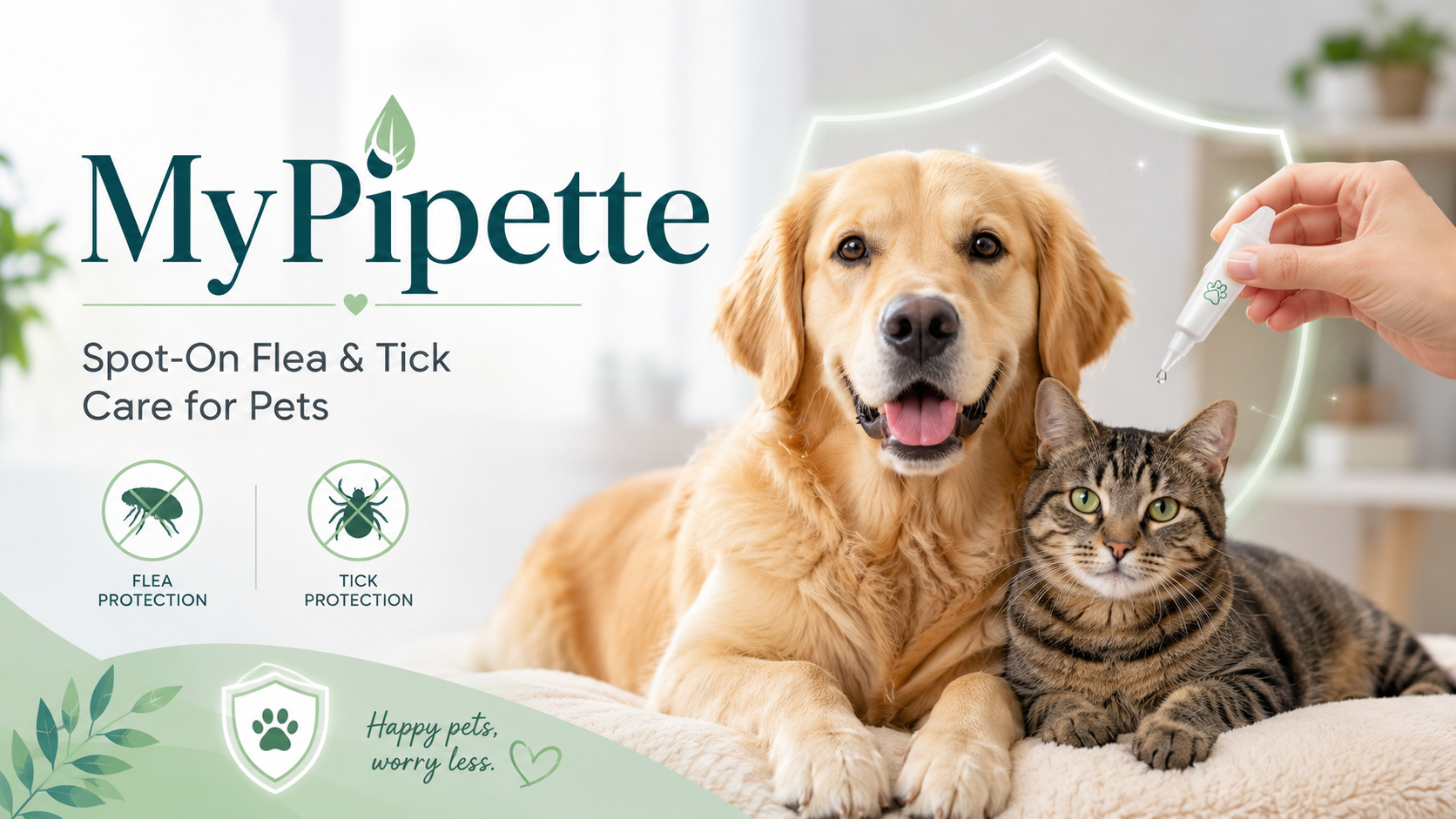
MyPipette: Everything You Need to Know Before Using It
If you searched for MyPipette, you are probably trying to figure out what it is, how it works, and whether it is the right option for your pet. The name can feel a little confusing at first because “pipette” is also used in laboratories, but in pet care, a pipette usually means a small tube of spot-on treatment applied to the skin.
In simple terms, MyPipette is connected with anti-parasitic pipettes for pets, especially dogs, cats, and ferrets. These treatments are made to help protect animals from common external parasites such as fleas, ticks, and biting lice. For many pet owners, the main appeal is convenience: you choose the right product for your animal, apply it correctly, and keep protection on a regular schedule.
What Is MyPipette?
MyPipette is a pet-care solution built around spot-on antiparasitic treatment. Instead of using a collar or tablet, the product comes in a small pipette that is applied directly onto your pet’s skin, usually between the shoulder blades or another area where the animal cannot easily lick it.
The goal is simple: help protect your pet from fleas and ticks without making the routine harder than it needs to be. For owners who forget treatment dates, the idea of a monthly delivery or recurring subscription can be useful because it keeps the product arriving on time.
The main thing to remember is that MyPipette is not a one-size-fits-all product. A cat flea treatment, a dog flea treatment, and a treatment for ferrets may have different rules. Your pet’s age, weight, and species matter.
Why People Search for MyPipette
Most people search for MyPipette because they want an easier way to manage parasite protection at home. Fleas and ticks are not just annoying; they can make pets uncomfortable and may spread around the home if ignored.
People also search for terms like flea and tick treatment, spot-on solution, anti-parasitic pipette, monthly pet treatment, and parasite prevention for dogs and cats because they want clear answers before buying anything.
Another reason people search this keyword is confusion. Some search results for “mypipette” talk about lab tools such as micropipettes, electronic pipettes, or pipette tips. That is a completely different topic. In this article, the focus is on MyPipette as a pet-care product, with a short explanation later about the lab meaning.
How MyPipette Works
Choose the Right Pet Profile
Before using any anti-parasitic treatment, you need to match the product to your pet. This usually means checking your pet’s species, age, sex, and weight.
A small cat, a 25 kg dog, and a ferret should not automatically receive the same product. That is why pet profiles matter. The product needs to match the animal, not just the problem you are trying to solve.
For dogs, treatments are often grouped by weight range, such as small dogs, medium dogs, large dogs, and very large dogs. For cats and ferrets, there are separate conditions to check before use. This is one of the most important steps because using the wrong spot-on pipette can be unsafe or ineffective.
Select the Suitable Spot-On Pipette
A spot-on pipette is designed to be opened and applied to the skin. The liquid should not just sit on top of the fur. It needs to reach the skin so it can work as intended.
This is why the product instructions matter. They explain where to apply the solution, how much to use, and which animals should not receive it. It may feel like a small step, but reading the label can prevent common mistakes.
A good rule is simple: do not guess. If the pipette says it is for a certain weight range or animal type, follow that guidance carefully.
Pick One-Time Purchase or Monthly Delivery
Some pet owners prefer to buy one flea and tick treatment only when they need it. Others prefer a recurring subscription because it makes the routine easier to remember.
The benefit of monthly delivery is that it supports consistency. Flea and tick prevention works best when you do not leave long gaps between treatments. A missed month can give parasites time to return, especially if your pet goes outdoors, visits parks, or lives with other animals.
This does not mean every pet owner needs a subscription. It simply means regular delivery can be helpful if you already know you want ongoing parasite protection.
What Does MyPipette Help Protect Against?
Fleas
Fleas are one of the most common reasons people look for spot-on treatment. They can make pets scratch, bite their skin, and feel restless. The frustrating part is that fleas do not stay only on the animal. Flea eggs and flea larvae can also end up in bedding, carpets, sofas, and other areas around the home.
That is why many pet owners prefer regular flea prevention instead of waiting until there is a full infestation. Once fleas spread inside the house, the problem usually takes more time and effort to control.
A treatment linked with fipronil and S-methoprene may target adult fleas while also helping with the flea life cycle. This is one reason those ingredient names often appear when people search for anti-parasitic pipettes.
Ticks
Ticks are another major concern, especially for pets that spend time outdoors. Dogs can pick up ticks during walks, in grass, in gardens, or around wooded areas. Cats that go outside can also be exposed.
The problem with ticks is that they are easy to miss, especially on pets with thick fur. Regular tick protection can help reduce the risk of these parasites attaching to your pet.
If your animal spends time outside, especially in warmer months or grassy areas, flea and tick treatment becomes more than a nice extra. It becomes part of basic pet care.
Biting Lice
Biting lice are less talked about than fleas and ticks, but they are still part of the wider group of external parasites. They can irritate the skin and cause discomfort, especially if the problem is left untreated.
A good anti-parasitic treatment should be chosen based on the parasites listed on the product label. If biting lice, fleas, and ticks are included, the treatment is meant to cover more than just one issue.
Main Ingredients You May See in MyPipette Products
Fipronil
Fipronil is a common active ingredient found in many flea and tick treatments. It is used in products made to deal with external parasites such as fleas, ticks, and sometimes biting lice.
For a pet owner, the important thing is not to memorize chemistry. The important thing is to know that active ingredients matter, and they should be used only as directed.
A product made for dogs should not be used on cats unless the label clearly says it is suitable. Cats can be more sensitive to some substances, and using the wrong product can be dangerous.
S-Methoprene
S-Methoprene is often linked with flea life-cycle control. That means it is not only about adult fleas; it may also help with flea eggs and larvae.
This matters because many flea problems continue when eggs and larvae remain in the home. A pet may look better for a short time, but the problem can return if the life cycle is not controlled.
When you see fipronil and S-methoprene listed together, the product is usually designed to support broader flea control rather than only handling what you can see on your pet today.
Who Can Use MyPipette?
For Cats
For cats, the product should match the cat’s age and weight. Some spot-on treatments are not suitable for very young kittens or cats below a certain weight.
You should also be careful if your cat is sick, weak, recovering from illness, pregnant, or nursing. In those cases, it is better to speak with a vet before using any anti-parasitic pipette.
Another important point: never assume that a dog flea treatment is safe for a cat. Even if the packaging looks similar, the formula or dose may be different.
For Dogs
For dogs, the biggest factor is usually weight. A treatment for a 2–10 kg dog is not the same as one made for a dog over 40 kg. The dose changes because the animal’s size changes.
Before applying a dog spot-on treatment, weigh your dog or check a recent vet record. Guessing can lead to underdosing or overdosing. Underdosing may not protect your dog well, while overdosing can raise safety concerns.
Also, dog-only products should stay dog-only. If the product says it is not for cats or ferrets, follow that warning.
For Ferrets
Some spot-on pipettes may be suitable for ferrets, but ferrets are not the same as cats or dogs. They often have their own age and safety requirements.
If you own a ferret, read the label carefully before using any flea and tick treatment. If the instructions are unclear, ask a vet rather than taking a chance.
Things to Check Before Using MyPipette
Your Pet’s Age and Weight
Your pet’s age and weight are two of the first things to check. Many anti-parasitic treatments have minimum age and weight limits.
For example, very young animals may not be suitable for certain products. Small pets under the required weight may also need a different option.
This step takes only a few minutes, but it can make the difference between safe use and a poor choice.
Your Pet’s Health Condition
If your pet is healthy and the product matches the label rules, using a spot-on solution may be straightforward. But if your pet is ill, weak, feverish, or recovering, you should be more careful.
Pets with health problems may react differently to treatment. This does not mean every product is unsafe, but it does mean you should not rush the decision.
When in doubt, veterinary advice is the safest route.
The Right Product for the Right Animal
This point is worth repeating because it is one of the most common mistakes: do not use a product made for one animal on another animal unless the label says it is allowed.
A dog pipette may not be safe for cats or ferrets. A cat product may not be suitable for dogs. Even within dogs, the correct weight range matters.
Good parasite prevention starts with choosing the correct product.
How to Apply a Spot-On Pipette Safely
Read the Product Instructions First
Before opening the pipette, read the instructions. Check the dosage, the animal type, the weight range, and the application area.
It may sound obvious, but many problems happen because people apply treatment too quickly without reading the label.
If you have multiple pets at home, check each product separately. Do not assume every box contains the same formula.
Apply It Calmly
Choose a quiet moment when your pet is relaxed. Part the fur so you can apply the spot-on treatment directly to the skin.
For many pets, the best area is somewhere they cannot easily lick. After applying, avoid touching the area until it dries, and keep other pets from licking it too.
If your pet gets nervous, do not turn the process into a fight. Stay calm, take your time, and ask someone to help gently hold the animal if needed.
Wash Hands After Use
After using any anti-parasitic pipette, wash your hands. It is a simple hygiene step, but it matters.
You should also keep unused pipettes away from children and pets. Store them according to the product instructions.
Common Mistakes to Avoid Before Using MyPipette
Guessing the Pet’s Weight
Guessing your pet’s weight can lead to the wrong flea and tick treatment. A pet that looks small may still fall into a higher weight range, and a fluffy pet may weigh less than expected.
Use a scale if you can. If not, check your pet’s recent vet visit records.
Using the Same Product for Every Pet
Multi-pet homes need extra care. If you have dogs and cats, do not use the same pipette for everyone unless the product is clearly approved for both.
Each animal should get a treatment suited to its species, age, and weight.
Skipping Monthly Protection
Parasites do not follow your calendar. If your pet needs regular flea prevention or tick protection, skipping months can leave gaps.
This is where monthly delivery can be helpful. It keeps the routine simple and lowers the chance of forgetting.
Applying It Too Soon After Bathing
Some topical treatments may be affected by bathing, shampoo, or grooming. Always check the label to see when it is best to apply the product.
If your pet has just had a bath, it may be better to wait according to the product instructions.
MyPipette vs Other Flea and Tick Treatments
Spot-On Pipette vs Collar
A spot-on pipette is applied monthly or according to the product schedule, while a flea collar usually stays on the pet for a longer time.
Some owners like collars because they do not want to apply liquid. Others prefer pipettes because there is nothing for the pet to wear.
The better choice depends on your pet’s lifestyle, skin sensitivity, and how comfortable they are with collars.
Spot-On Treatment vs Tablet
A spot-on treatment goes on the skin. A tablet is taken by mouth.
Some pets refuse tablets, so a pipette may feel easier. Other pets dislike topical products, so an oral treatment may suit them better.
Neither option is perfect for every animal. If your pet has allergies, skin problems, or past reactions, ask your vet which type of flea and tick protection makes the most sense.
One-Time Purchase vs Recurring Subscription
A one-time purchase works well if you only need a product occasionally or want to try it first.
A recurring subscription works better for owners who want a regular routine. If your pet needs ongoing parasite protection, monthly delivery can make life easier.
The main benefit is not just convenience. It is consistency.
Why the Word “Pipette” Can Be Confusing
Pet Pipette Meaning
In pet care, a pipette is a small applicator filled with spot-on flea and tick treatment. You apply it to your pet’s skin to help protect against external parasites.
This is the meaning most connected with MyPipette, Evitic Combo, anti-parasitic pipettes, and monthly pet treatment.
Lab Pipette Meaning
In laboratories, a pipette is a tool used to measure and transfer small amounts of liquid. You may also see terms like micropipette, electronic pipette, pipette tips, liquid handling, and pipette calibration.
This is why some search results for “mypipette” mention lab platforms such as My Pipette Creator or custom lab pipettes. Those are not the same as pet MyPipette.
If you are looking after a pet, focus on the spot-on antiparasitic treatment meaning. If you work in a lab, the search intent is different.
Who Is MyPipette Best For?
MyPipette may suit pet owners who want a simple way to manage flea and tick prevention.
It can be useful for people with dogs, cats, or ferrets who want a guided product choice based on their animal’s profile. It may also suit busy owners who like the idea of home delivery and regular reminders through a monthly subscription.
It is especially helpful for people who already know they need ongoing parasite protection but do not want to keep remembering when to buy the next treatment.
Who Should Be More Careful?
You should be more careful if your pet is very young, underweight, sick, weak, pregnant, nursing, or recovering from illness.
You should also be careful in homes with both dogs and cats, because some dog products should not be used on cats or ferrets.
If your pet has sensitive skin, allergies, or has reacted badly to a spot-on solution before, speak with a vet before using another product.
Quick Buying Checklist Before Using MyPipette
Before using MyPipette, check these points:
- Your pet’s species
- Your pet’s age
- Your pet’s current weight
- The correct spot-on pipette for that animal
- The listed active ingredients
- The product’s safety warnings
- Whether it is for dogs, cats, or ferrets
- Whether you want a one-time order or monthly delivery
- Whether your pet has any health issue that needs vet advice
Taking a few minutes to check these details can make the whole process safer, easier, and more effective.