Health ThreeTrees com vn: A Gentle Guide to Mindful Living
There is no shortage of health advice online. One page tells you to change your diet overnight. Another says you need a strict morning routine, expensive supplements, or a full workout plan before you can feel better. Most people do not need more pressure. They need a calmer way to begin.
That is where the search term health threetrees com vn fits in. People looking for it are usually trying to understand wellness in a simple, balanced way. They want guidance that feels practical, not overwhelming. They may be interested in holistic wellness, mindful living, healthy lifestyle habits, mental wellness, or small steps that make everyday life feel less heavy.
This guide looks at health threetrees com vn as a gentle way to think about well-being. It is not about chasing perfection. It is not a medical diagnosis or a replacement for professional care. It is simply a grounded approach to building better habits around your body, your mind, and the way you move through the day.
What Does Health ThreeTrees com vn Mean?
The phrase health threetrees com vn has become connected with online wellness content, especially around holistic health, daily wellness habits, and simple self-care. The “three trees” idea can be understood as a symbol of balance. A tree grows stronger when its roots are cared for. In the same way, a person feels better when different parts of life are supported together.
For many readers, this means looking beyond one single health goal. Eating well matters, but it is not the whole story. Exercise helps, but it cannot fix constant stress by itself. Sleep is powerful, but it works best when your daily habits also support rest.
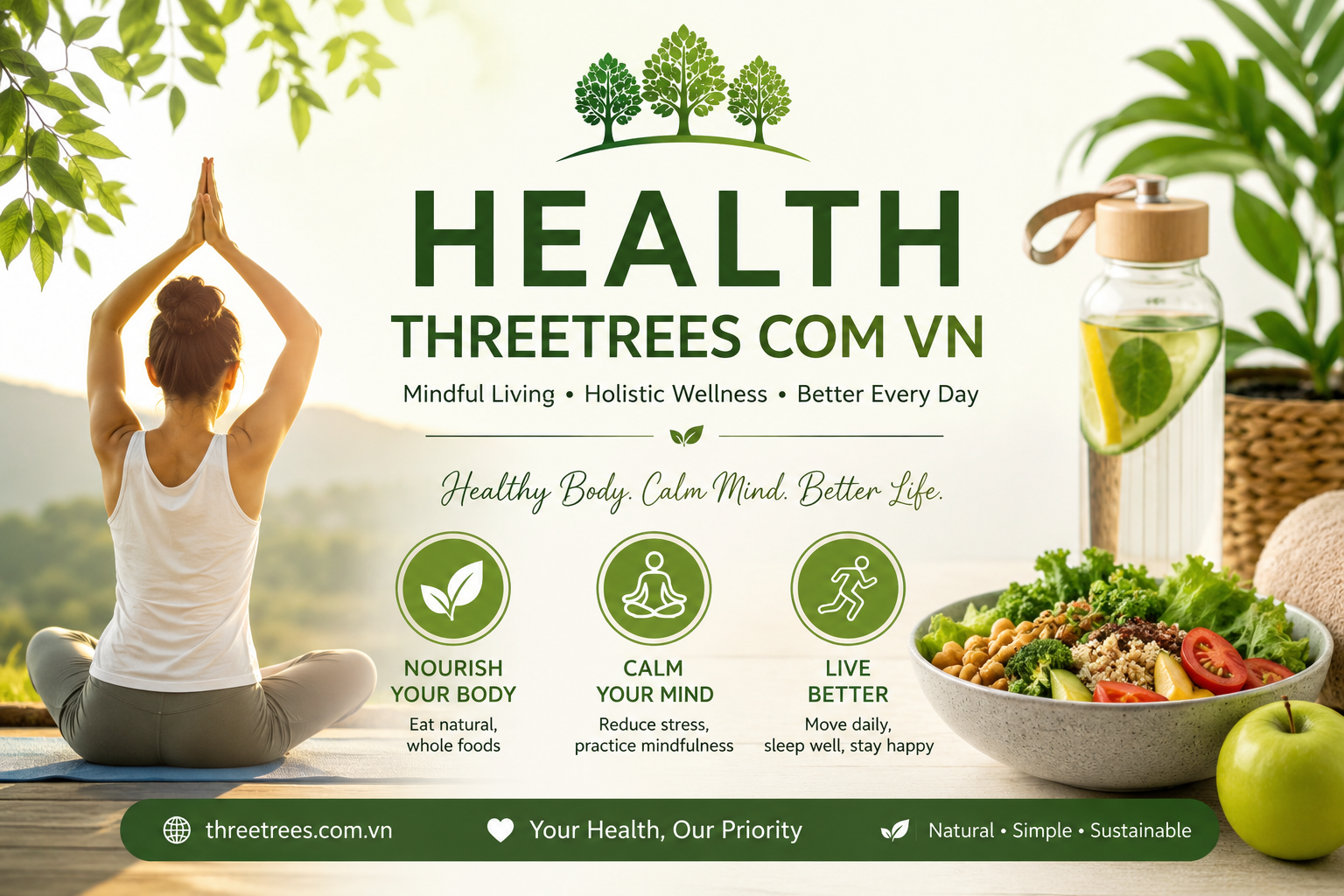
A more useful way to see health threetrees com vn is through three simple areas:
Body care
Mind care
Daily habit care
These areas work together. When your body feels tired, your mood can drop. When stress builds up, your sleep can suffer. When your routine feels chaotic, healthy choices become harder. Mindful living gives you a way to slow down and notice what needs attention.
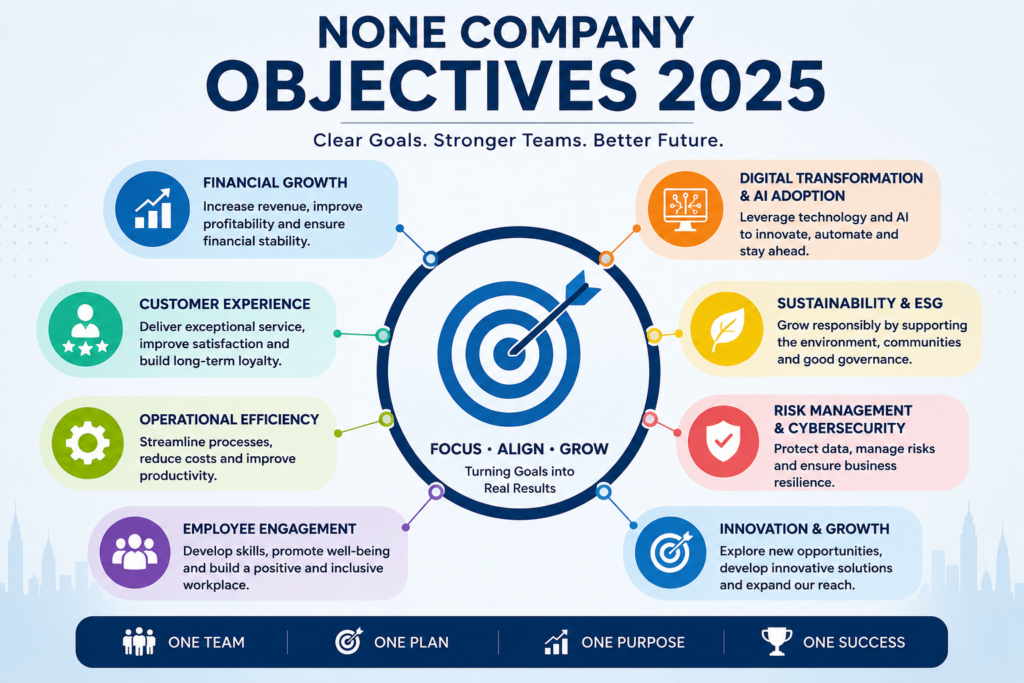
This is also where searches like none company objectives 2025 or non-company objectives 2025 can connect naturally. Not every goal has to be about business, profit, or work performance. Many people are now setting personal goals, wellness goals, self-improvement goals, and 2025 objectives that focus on health, peace, family, energy, and emotional balance.
The Three Trees Idea: Body, Mind, and Daily Habits
The “three trees” idea gives the article a simple shape. Instead of trying to fix everything at once, you can care for three areas slowly and consistently.
Tree One: Caring for the Body
Your body does not need punishment to become healthier. It needs attention. It needs food that gives energy, movement that feels possible, enough water, and rest that actually restores you.
A healthy body routine can start with very small choices. You might add one more glass of water to your day. You might take a ten-minute walk after lunch. You might choose a simple home-cooked meal instead of skipping food and overeating later. These things sound basic, but basic habits often matter the most.
A body-focused approach to health threetrees com vn can include:
Eating more whole foods
Choosing balanced nutrition over fad diets
Adding gentle movement to your day
Taking breaks when your body feels tense
Getting enough sleep before exhaustion takes over
The goal is not to create a perfect routine. The goal is to feel more connected to your body. When you start noticing what gives you energy and what drains you, healthier choices become easier.
Tree Two: Caring for the Mind
Mental health is not separate from physical health. The way you think, feel, worry, rest, and respond to stress can affect your whole day.
A mindful approach does not mean you are calm all the time. It means you notice what is happening inside you before it becomes too much. Some days, that may mean taking five deep breaths before answering a difficult message. Other days, it may mean writing down what is bothering you instead of carrying it quietly.
Simple ways to support mental wellness include:
Taking short breathing breaks
Writing in a journal
Spending a few quiet minutes without your phone
Talking to someone you trust
Stepping outside when your mind feels crowded
Letting yourself rest without guilt
This part of health threetrees com vn is especially useful for people who feel stuck in a busy routine. Mindful living gives you permission to pause. It reminds you that your mood, thoughts, and emotions deserve care too.
Tree Three: Building Habits That Last
Many people set big goals and then feel disappointed when life gets in the way. A better approach is to build habits that are small enough to repeat.
This is where 2025 objectives, personal development goals, and wellness planning can become useful. Instead of saying, “I will completely change my life,” you can choose one habit that fits your real schedule.
For example:
Walk for ten minutes after dinner
Sleep thirty minutes earlier
Prepare breakfast the night before
Stretch during work breaks
Eat one fruit or vegetable with lunch
Keep your phone away for the first few minutes after waking up
These are not dramatic goals, but they are realistic. And realistic goals are more likely to last.
When people search for none company objectives 2025, they may be looking for goals outside the workplace. In a wellness context, that can mean non-business goals, personal growth objectives, healthy living goals, life balance goals, and sustainable habits. These fit naturally with mindful living because they focus on the person, not just productivity.
Why Mindful Living Feels So Relevant Today
Modern life moves quickly. Many people wake up already thinking about messages, bills, deadlines, family needs, and unfinished tasks. Even rest can start to feel like another item on a checklist.
This is why mindful living has become more than a trend. It is a response to overload. It helps people slow down enough to notice what is happening in their body and mind.
Mindful living does not require a silent retreat or a perfect morning routine. It can be as simple as drinking tea without scrolling. Eating without rushing. Walking without headphones for a few minutes. Saying no when your energy is already low.
In the context of health threetrees com vn, mindful living is about building a softer relationship with your health. You are not trying to control every part of your life. You are learning how to support yourself in small, steady ways.
This kind of approach can support:
Stress management
Emotional well-being
Mind-body balance
Lifestyle balance
Daily wellness habits
Personal wellness journey
The best part is that mindful living can be shaped around your culture, budget, family life, work schedule, and personal needs.
Simple Nutrition Habits for Everyday Balance
Food is one of the easiest places to feel overwhelmed. There are too many rules online, and many of them do not fit real life. A mindful approach to food is more flexible.
Instead of chasing a perfect diet, focus on meals that give your body steady energy. That may mean adding more vegetables, choosing whole grains when possible, including protein, and drinking more water during the day.
Simple healthy eating habits can include:
Building meals around vegetables, grains, protein, and healthy fats
Keeping easy snacks nearby so you do not skip meals
Eating slowly when you can
Cooking simple meals at home a few times a week
Choosing water more often than sugary drinks
Noticing which foods make you feel energized or sluggish
This does not mean you can never enjoy sweets, fried food, or comfort meals. Mindful eating is not about shame. It is about awareness.
A plant-based lifestyle can also be part of this approach for people who enjoy it. Adding beans, lentils, fruits, vegetables, nuts, seeds, and whole grains can support a more natural way of eating. But again, the key is balance, not pressure.
Gentle Movement Without Pressure
Exercise does not have to be intense to be useful. For many people, the hardest part is not the workout itself. It is the feeling that they must do everything perfectly or not start at all.
A gentler approach works better for everyday life. Walking counts. Stretching counts. Cleaning, gardening, dancing, cycling, yoga, and climbing stairs all count. Your body benefits from movement even when it does not look like a formal fitness plan.
For health threetrees com vn, movement should feel supportive, not punishing. You can begin with what feels possible today.
Try:
A short walk after meals
Five minutes of stretching in the morning
Standing up between long work sessions
Taking the stairs when your body feels able
Doing light home exercises while watching something
Choosing movement that feels enjoyable
This kind of fitness routine is easier to maintain because it does not depend on motivation alone. It becomes part of your day.
Movement also supports mental wellness. A short walk can clear your head. Stretching can release tension. Even a few minutes of movement can help you feel more present in your body.
Sleep as a Quiet Form of Self-Care
Sleep is often the first thing people sacrifice when life gets busy. But poor sleep can affect mood, hunger, focus, energy, and patience. It can make even simple tasks feel harder.
Good sleep hygiene does not need to be complicated. Start by making the hour before bed a little calmer. Lower the lights. Put your phone away earlier. Avoid heavy meals too close to bedtime if they disturb your sleep. Keep your room as comfortable as you can.
A simple sleep routine might include:
Going to bed around the same time
Keeping screens away for a short period before sleep
Doing light stretching
Writing down tomorrow’s main task so your mind can relax
Keeping the room dark, quiet, and cool when possible
Think of sleep as part of your self-care routine, not as wasted time. Rest gives your body and mind space to recover.
In a mindful living approach, sleep is not just about getting more hours. It is about respecting your need to pause.
Managing Stress in a More Human Way
Stress is not a personal failure. It is a normal response to pressure, uncertainty, and responsibility. The problem starts when stress becomes constant and you have no room to recover.
A gentle stress management routine can help you feel more steady. You do not have to remove every stressful thing from your life. Most people cannot do that. But you can create small spaces where your nervous system gets a break.
Try:
Taking three slow breaths before responding
Writing down what is actually bothering you
Stepping away from your screen for a few minutes
Talking to someone instead of holding everything in
Spending time outdoors
Setting one small boundary around your time
Mindful living also asks you to notice your limits. If you are always tired, always irritated, or always rushing, your body may be asking for care.
This section of health threetrees com vn connects deeply with emotional well-being, mental clarity, self-awareness, and mind-body balance. When stress softens, many other habits become easier too.
Digital Wellness: Using Health Information Without Feeling Overwhelmed
Online health information can be helpful, but it can also become confusing. One search can lead to ten different opinions. Some advice is useful. Some is exaggerated. Some is written to scare people into clicking.
That is why digital wellness matters. It means using online health content in a thoughtful way instead of letting it control your mood.
When reading about health threetrees com vn or any wellness topic, ask simple questions:
Who wrote this?
Is it offering general education or making medical claims?
Does it sound balanced or too good to be true?
Is it trying to sell fear?
Does it remind readers to seek professional help when needed?
Good online health resources should support your understanding. They should not replace a doctor, therapist, dietitian, or qualified health professional.
Health apps, trackers, and wellness platforms can also be useful, but only when they help you. If tracking every step, calorie, or hour of sleep makes you anxious, it is okay to step back. Your health is not just a number on a screen.
A Simple Daily Routine Inspired by Health ThreeTrees com vn
A mindful routine does not need to be long. It only needs to be realistic.
Morning
Start with water before reaching for your phone. Take a few slow breaths. Stretch your neck, shoulders, or back for a few minutes. Eat something simple if you can. Before the day gets busy, choose one small intention.
It could be:
I will move my body today.
I will drink enough water.
I will pause before reacting.
I will eat one balanced meal.
I will go to bed a little earlier.
This turns your morning into a gentle beginning instead of a rushed reaction.
Afternoon
The middle of the day is when many people lose energy. Instead of pushing through without thinking, check in with yourself.
Ask:
Have I eaten enough?
Have I moved today?
Do I need water?
Have I been staring at a screen too long?
Am I tense anywhere in my body?
A mindful afternoon might include a short walk, a balanced lunch, a few minutes away from your phone, or a quick stretch. These small actions support daily wellness habits without interrupting your entire schedule.
Evening
Evening is a chance to slow the body down. You do not need a perfect night routine. Just create a little space between the stress of the day and sleep.
You might prepare something for tomorrow, lower screen time, write down one thing that went well, or tidy one small area so the morning feels easier.
This is also a good time to review your personal goals and 2025 objectives in a calm way. Not with pressure. Just awareness.
Ask yourself:
What supported my health today?
What drained my energy?
What small thing can I adjust tomorrow?
That kind of reflection helps turn wellness into a personal practice, not a strict program.
How Non-Company Objectives Fit Into Mindful Living
The phrase none company objectives 2025 may sound unusual, but it points to something meaningful when understood as non-company objectives. These are goals that are not tied to corporate growth, sales, or workplace targets. They are personal, social, emotional, educational, or health-related goals.
In a mindful living article, these goals can include:
Improving sleep
Reducing stress
Building a walking habit
Eating more balanced meals
Spending more time with family
Creating better screen boundaries
Learning a new skill
Supporting community well-being
Taking better care of mental health
These are life goals, not business goals. And for many people, they matter more than any professional target.
A healthy set of 2025 personal objectives might look like this:
Build a simple morning routine
Move the body five days a week
Cook at home more often
Reduce late-night scrolling
Practice better emotional boundaries
Schedule preventive health checkups
Make rest part of the weekly routine
The key is to make goals specific and kind. A goal like “be healthier” is too vague. A goal like “walk for ten minutes after dinner three times a week” is easier to follow.
That is how goal setting, SMART goals, personal development, wellness planning, and sustainable habits can fit naturally into the health threetrees com vn idea.
When to Seek Professional Health Advice
Wellness content can be helpful, but it has limits. If you have ongoing symptoms, sudden changes in your body, chronic illness, medication questions, anxiety, depression, sleep problems, or pain that does not improve, it is better to speak with a qualified health professional.
Mindful living is not about handling everything alone. Sometimes the healthiest choice is asking for support.
Use health education and online wellness resources as starting points, not final answers. A good wellness routine should work alongside proper care, not replace it.
This is especially important if you are managing conditions like diabetes, heart disease, high blood pressure, eating disorders, pregnancy-related concerns, severe stress, or mental health symptoms. Your personal situation matters, and professional guidance can help you make safer choices.
How to Make Mindful Living Feel Personal
The best wellness routine is the one you can actually live with. It should fit your home, budget, schedule, culture, body, and emotional needs.
Start with one habit. Not ten. Choose something small enough that you can repeat it even on an ordinary day.
You might begin with water in the morning. Or a short walk. Or five minutes away from your phone. Or a simple bedtime routine. Once that feels natural, add another habit.
This is how a personal wellness journey grows. Slowly. Honestly. Without needing to impress anyone.
Mindful living through health threetrees com vn is not about becoming a different person overnight. It is about noticing what helps you feel more balanced and choosing more of that, one day at a time.
Your healthy lifestyle, wellness goals, self-care routine, mind-body balance, and 2025 objectives can all begin with one small decision that feels doable today.