Who Is Shani Levni? Everything People Are Trying to Find Out
The name Shani Levni has started showing up across biography blogs, art-style articles, and search results, leaving many readers with one simple question: who is Shani Levni?
At first, the answer looks easy. Several online profiles describe Shani Levni as a contemporary artist, mixed media artist, and creative figure connected with identity, memory, belonging, and social change. But once you look a little closer, the story becomes more complicated.
Some pages write about her as if every detail is fully confirmed. Others point out that many of the same claims are repeated again and again without strong independent proof. That is why searches for Shani Levni biography, Shani Levni artist, Shani Levni art style, and Shani Levni facts have become more interesting than a normal artist profile.
This article breaks down what people are trying to find out, what is commonly said online, and why the name Shani Levni has become part art topic, part search mystery.
Quick Answer: Who Is Shani Levni?
Shani Levni is most often described online as a multidisciplinary contemporary artist whose work is linked with visual art, mixed media, photography, painting, installation art, and community arts practice.
Many articles connect her creative work with themes such as cultural identity, personal memory, female identity, belonging, displacement, heritage, and human connection. Some pages also associate her with Tel Aviv, Israel, The Root Collective, and actor Michael Aloni.
The careful answer is this: Shani Levni is widely presented online as an artist and creative figure, but several biography details should be treated as reported claims rather than fully verified facts.
That does not mean every detail is false. It simply means readers should separate what is commonly repeated from what can be clearly confirmed through stronger sources such as gallery records, interviews, artist statements, museum listings, or official public profiles.
Why Are People Searching for Shani Levni?
People usually search for Shani Levni because the name feels familiar and unfamiliar at the same time. It appears in multiple places online, but the information around it is not always clear.
Some readers want a simple Shani Levni biography. Others are looking for her art style, age, background, official website, or connection to Michael Aloni. There is also curiosity around whether Shani Levni is a real documented artist, an emerging creative figure with limited public records, or an online profile that has been repeated across several blogs.
That uncertainty is one reason the keyword keeps growing. When people cannot find one clean answer, they keep searching.
Common searches around the topic include who is Shani Levni, Shani Levni artist, Shani Levni biography, Shani Levni art style, Shani Levni Michael Aloni, The Root Collective, Shani Levni official website, Shani Livni, and Shani Livne.
What Online Sources Commonly Say About Shani Levni
Most online profiles describe Shani Levni as a contemporary Israeli artist or Tel Aviv-based multidisciplinary artist. The same descriptions often mention painting, photography, mixed media, visual storytelling, and community art.
She is often presented as someone whose work does not fit into one simple category. Instead of being described only as a painter or photographer, Shani Levni is usually linked with a broader creative practice that blends images, materials, emotion, and social meaning.
A lot of the language around her work focuses on depth. Writers describe her supposed art as layered, symbolic, emotional, and connected to real human experience. The repeated themes are identity, memory, belonging, diaspora, displacement, and social justice.
This is why Shani Levni is not just searched as a name. People also search around the ideas attached to the name.
Shani Levni Art Style: What People Say About Her Work
One of the strongest search angles is Shani Levni art style.
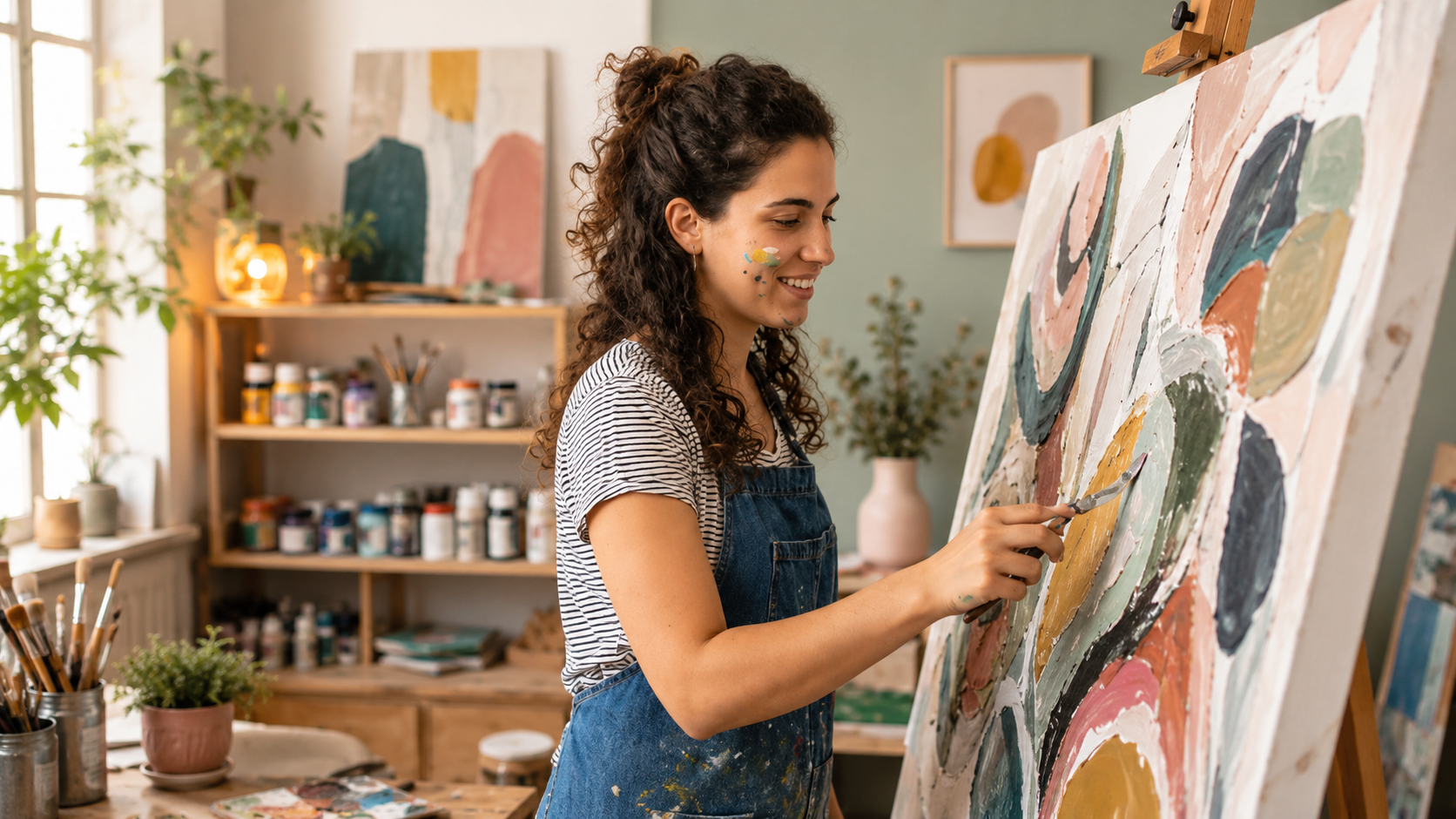
Online descriptions usually connect her work with mixed media art, figurative art, abstract elements, portrait painting, symbolic imagery, layered textures, and emotional storytelling. Some sources describe a style that blends photography and painting, while others mention installation, performance, or digital composition.
In simple terms, her reported style is often described as art that feels personal rather than decorative. It is not only about color or composition. It is about mood, memory, and meaning.
Commonly repeated style-related words include earth tones, jewel tones, muted colors, bold palettes, negative space, fragmented figures, textured surfaces, found objects, Hebrew lettering, gold leaf, and visual narrative.
These terms help explain why people connect Shani Levni with contemporary art rather than traditional portrait work. The focus is not just on what the viewer sees, but on what the image seems to hold beneath the surface.
Themes Connected With Shani Levni
The most repeated themes around Shani Levni are identity, memory, belonging, and place.
Identity appears to be the main idea. Many profiles describe her work as exploring how people understand themselves through family, culture, history, gender, and personal experience. This makes related phrases like female identity, cultural identity, and personal identity useful for understanding the wider search intent.
Memory is another major theme. In the way writers describe Shani Levni art, memory is not shown as something fixed or perfect. It is layered, emotional, and sometimes broken. That is why terms like collective memory, personal memory, generational memory, and memory as material appear naturally around this topic.
Belonging and displacement also come up often. These ideas connect the name Shani Levni with wider conversations about home, migration, diaspora, heritage, and cultural roots.
Whether every biography detail is confirmed or not, these themes are central to how the name is being framed online.
Is Shani Levni From Tel Aviv?
Many online pages associate Shani Levni with Tel Aviv, Israel, and the wider world of Israeli contemporary art. Some descriptions say she was born or raised in Tel Aviv, while others use softer wording and simply connect her creative identity with the city.
This detail should be handled carefully. Because public documentation is limited, it is safer to say Shani Levni is often described online as Tel Aviv-based rather than presenting every personal detail as confirmed fact.
Tel Aviv matters because it gives context to the way her work is discussed. The city is often associated with layered history, modern culture, Mediterranean light, political tension, and a strong creative scene. These ideas fit the themes attached to Shani Levni, especially identity, memory, place, and belonging.
What Is The Root Collective?
Another phrase people search with Shani Levni is The Root Collective.
Online sources often describe The Root Collective as a community-focused arts initiative connected with creative workshops, community art, immigrant communities, refugee youth, visual storytelling, and art as healing.
The idea behind it, as commonly described, is that art can be more than something displayed in a gallery. It can also help people share stories, process difficult experiences, build confidence, and feel seen.
This is where Shani Levni is often connected with art activism, social change, community engagement, and collaborative art.
Still, this topic also needs careful wording. The project is widely mentioned in the Shani Levni content cluster, but readers should look for stronger proof before treating every claim about its size, reach, or structure as confirmed.
Is Shani Levni Connected to Michael Aloni?
Some readers search for Shani Levni Michael Aloni, Michael Aloni wife, or Michael Aloni partner because several online pages connect the two names.
This claim should be treated with caution. Some websites mention a relationship between Shani Levni and Michael Aloni, but reliable public confirmation is not easy to find from the pages currently ranking for the topic.
A respectful article should not turn relationship rumors into hard fact. The better wording is: some online profiles associate Shani Levni with Michael Aloni, but the claim remains difficult to independently verify from strong public sources.
That wording protects reader trust and avoids spreading personal information too confidently.
Why Some People Call Shani Levni an Online Mystery
The Shani Levni mystery exists because many pages repeat the same detailed claims, but the public trail behind those claims is not always clear.
Commonly repeated details include a reported birth date, a connection to Tel Aviv, studies at Bezalel Academy of Arts and Design, later study in Berlin, exhibitions, The Root Collective, and a relationship with Michael Aloni.
The problem is not that these claims are impossible. The problem is that repeated claims are not the same as verified facts.
When multiple websites use similar wording, similar dates, and similar storylines, readers may assume the information is confirmed. But sometimes online content spreads because one article copies or paraphrases another. That is why it is important to look for primary sources.
For a real artist profile, strong sources might include an artist CV, gallery page, museum archive, exhibition catalog, interview, verified social media profile, nonprofit record, or official statement.
Without that kind of evidence, it is better to describe the Shani Levni biography as partly reported, partly unclear, and still developing.
The Official Website Confusion
One reason people feel confused is the presence of shanilevni.com. An exact-match domain can easily look like an official personal website.
However, the site itself describes its purpose as an independent editorial resource. That matters because readers may assume the domain is run by Shani Levni personally, while the site’s own wording says it is editorial.
This becomes more confusing because some pages on the site use a first-person tone, especially in contact-style wording. For readers, the safest approach is simple: do not assume a website is official just because it uses a person’s name in the domain.
When searching for Shani Levni official website, Shani Levni Instagram, or Shani Levni contact, it is worth checking whether the source clearly explains who runs the page and whether it provides verifiable links.
Verified Facts vs Reported Claims
A strong article about Shani Levni should not repeat every detail as fact. It should help readers understand what is commonly said and what still needs confirmation.
Here is a careful way to separate the two.
Commonly reported online:
- Shani Levni artist
- Contemporary artist
- Mixed media artist
- Tel Aviv-based artist
- Photography and painting
- Identity and memory themes
- The Root Collective
- Community art
- Art activism
- Michael Aloni connection
Details that need careful wording:
- Exact birth date
- Exact age
- Education at Bezalel Academy of Arts and Design
- Study or MFA in Berlin
- Specific exhibition history
- Museum or gallery recognition
- Relationship claims
- Details about The Root Collective
- Verified social media accounts
This does not mean these details are wrong. It means a responsible article should avoid sounding more certain than the evidence allows.
Better phrases include “often described as,” “reported by several online profiles,” “commonly associated with,” “public information appears limited,” and “not independently verified.”
Shani Levni, Shani Livni, or Shani Livne?
Another reason the topic gets messy is spelling.
People may search Shani Levni, Shani Livni, Shani Livne, or even similar name variations. These spellings look close, but they may not always refer to the same person.
This matters because search engines sometimes mix results when names are similar. A reader looking for Shani Levni artist might land on pages that mention a different spelling, a different person, or an unrelated topic.
The safest way to research the name is to check the spelling, the context, the source, and the date of the page. If the article is about art style, mixed media, Tel Aviv, The Root Collective, or Michael Aloni, it is probably part of the same search cluster. If it points somewhere else, it may be a separate result.
Why the Keyword Shani Levni Keeps Spreading
The keyword Shani Levni keeps spreading because it sits at the intersection of several search interests.
It has the feel of an artist biography. It has the curiosity of an online mystery. It has the cultural angle of contemporary Israeli art. It has celebrity-adjacent interest through Michael Aloni. It also has search confusion because people are trying to confirm what is real.
That combination makes the topic highly clickable.
Search engines often reward curiosity. When users cannot find a clear answer, they click multiple results, compare pages, and search related phrases. That behavior can make a name appear more popular, even when the actual public record is limited.
In the case of Shani Levni, the mystery is part of the search demand.
How to Read Information About Shani Levni Safely
The best way to understand Shani Levni is to read with curiosity but also with care.
If a page says she is a contemporary artist, check whether it links to actual artwork, exhibitions, interviews, or artist profiles. If it says she founded The Root Collective, look for project documentation or official records. If it mentions Michael Aloni, look for reliable confirmation rather than repeated blog claims.
A trustworthy article should not pretend uncertainty does not exist. It should give readers the clearest version of what is known, what is commonly claimed, and what still needs proof.
That is why the most honest answer to who is Shani Levni is not a dramatic one. She is commonly presented online as a multidisciplinary artist connected with mixed media, identity, memory, and community art, but parts of her biography remain difficult to verify.
For now, Shani Levni is best understood as a name surrounded by art, curiosity, repeated online claims, and unanswered questions.
What Readers Should Watch for Next
Anyone interested in Shani Levni should watch for stronger public sources over time. Useful updates would include verified artist statements, gallery listings, exhibition records, museum archives, interviews, nonprofit documentation, or confirmed social media activity.
If more reliable information appears, the Shani Levni biography may become clearer. Until then, the smartest approach is to stay open, but not overly certain.
The name continues to attract attention because it offers more than a simple profile. It raises a bigger question about how online identity works today. A person, artist, or idea can become searchable before the public record is complete.
That is what makes Shani Levni such an unusual topic. People are not only searching for a biography. They are searching for clarity.