
Schedow: The Ultimate Guide to Understanding and Using “Schedow” Effectively
In today’s fast-paced digital world, new terms, tools, and concepts emerge constantly. One such intriguing keyword is “schedow.” While it may seem unfamiliar at first glance, “schedow” is steadily gaining attention across various niches, from productivity and planning to creative workflows and digital organization. In this comprehensive guide, we’ll explore what “schedow” means, how it can be used, and why it matters in modern contexts.
What is Schedow?
At its core, schedow can be interpreted as a fusion of two ideas: schedule and flow. It represents a structured yet flexible approach to organizing tasks, time, and priorities. Unlike rigid scheduling systems, schedow emphasizes adaptability, allowing individuals and teams to maintain productivity without feeling constrained.
Schedow is not just a method—it’s a mindset. It encourages you to create systems that evolve with your needs rather than forcing you into strict routines that may not always work.
Why Schedow Matters in Modern Life
In an age where distractions are everywhere and time feels increasingly limited, traditional scheduling methods often fall short. Here’s where schedow stands out:
1. Flexibility Over Rigidity
Traditional schedules can feel overwhelming when unexpected events arise. Schedow allows you to adjust your plans dynamically without losing track of your goals.
2. Improved Productivity
By combining structure with adaptability, schedow helps maintain focus while reducing burnout. You work smarter, not harder.
3. Better Work-Life Balance
Schedow encourages prioritizing both professional and personal commitments, ensuring that neither is neglected.
4. Enhanced Creativity
When your schedule isn’t overly rigid, you create space for creativity and innovation to flourish.
Key Principles of Schedow
To fully understand schedow, it’s important to grasp its core principles:
1. Intentional Planning
Schedow starts with clear intentions. Instead of filling your calendar with tasks, you focus on what truly matters.
2. Time Blocking with Flexibility
You assign time blocks for tasks but allow room for adjustments. This prevents stress when plans change.
3. Priority-Based Execution
Tasks are ranked based on importance rather than urgency alone. This ensures meaningful progress.
4. Continuous Adjustment
Schedow is not static. It evolves based on your daily experiences and changing priorities.
How to Implement Schedow in Your Daily Routine
Adopting schedow doesn’t require drastic changes. Here’s a step-by-step approach:
Step 1: Define Your Goals
Start by identifying what you want to achieve—daily, weekly, and long-term.
Step 2: Create Flexible Time Blocks
Instead of scheduling every minute, divide your day into broad segments for different activities.
Step 3: Prioritize Tasks
List tasks in order of importance. Focus on high-impact activities first.
Step 4: Allow Buffer Time
Include gaps between tasks to handle unexpected interruptions or to recharge.
Step 5: Review and Adjust
At the end of the day, evaluate what worked and what didn’t. Adjust your schedow accordingly.
Schedow vs Traditional Scheduling
Understanding the difference between schedow and conventional scheduling methods can help you see its value:
| Aspect | Traditional Scheduling | Schedow |
|---|---|---|
| Structure | Rigid | Flexible |
| Adaptability | Low | High |
| Stress Level | Often high | Reduced |
| Creativity | Limited | Encouraged |
| Focus | Task-based | Priority-based |
Schedow shifts the focus from simply completing tasks to achieving meaningful outcomes.
Benefits of Using Schedow
1. Reduced Stress
Schedow minimizes the pressure of sticking to a strict plan, making your day more manageable.
2. Increased Efficiency
By focusing on priorities, you accomplish more in less time.
3. Greater Control
You gain a sense of control over your schedule without feeling overwhelmed.
4. Enhanced Motivation
Flexibility keeps you motivated, as you’re not bound by unrealistic expectations.
Common Mistakes to Avoid
While schedow is highly effective, there are some pitfalls to watch out for:
Overloading Your Schedule
Even with flexibility, adding too many tasks can defeat the purpose.
Ignoring Priorities
Schedow relies on prioritization. Without it, you may lose focus.
Lack of Review
Failing to evaluate your progress can prevent improvement.
Being Too Flexible
Too much flexibility can lead to procrastination. Balance is key.
Tools and Techniques to Support Schedow
While schedow is more about mindset than tools, certain techniques can enhance its effectiveness:
Digital Planners
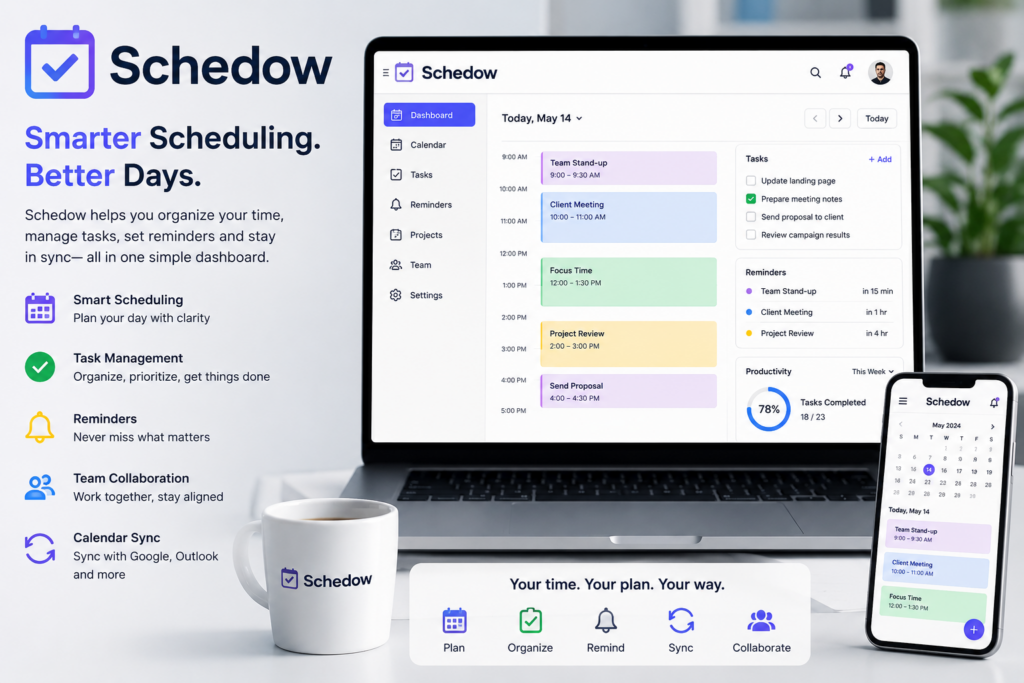
Apps and digital calendars can help visualize your schedow.
Task Management Systems
Organizing tasks by priority can make execution easier.
Journaling
Reflecting on your day helps refine your schedow approach.
Time Tracking
Understanding how you spend your time can improve planning accuracy.
Schedow for Different Lifestyles
For Students
Schedow helps balance study time, assignments, and personal life without burnout.
For Professionals
It enables efficient workload management while maintaining work-life balance.
For Entrepreneurs
Schedow supports dynamic environments where priorities change frequently.
For Creatives
Flexibility allows space for inspiration and innovation.
Real-Life Example of Schedow in Action
Imagine a typical day using schedow:
- Morning Block: Focus on high-priority tasks like deep work or studying.
- Midday Block: Meetings, collaboration, or lighter tasks.
- Afternoon Block: Creative work or problem-solving.
- Evening Block: Personal time, relaxation, and reflection.
If something unexpected occurs, you simply adjust the blocks without disrupting your entire day.
The Future of Schedow
As work environments become more dynamic and remote work continues to grow, the need for flexible scheduling systems like schedow will only increase. It aligns perfectly with modern demands for adaptability, efficiency, and well-being.
Organizations are also beginning to recognize the value of flexible workflows, making schedow a potential standard in workplace productivity strategies.
Final Thoughts
Schedow is more than just a scheduling technique—it’s a smarter way to manage time and energy. By combining structure with flexibility, it allows you to stay productive without sacrificing your well-being.
Whether you’re a student, professional, or entrepreneur, adopting schedow can transform how you approach your daily routine. Start small, experiment with your approach, and refine it over time.