What Is Dojen Moe? Meaning, Origins, and Why Anime Fans Search for It
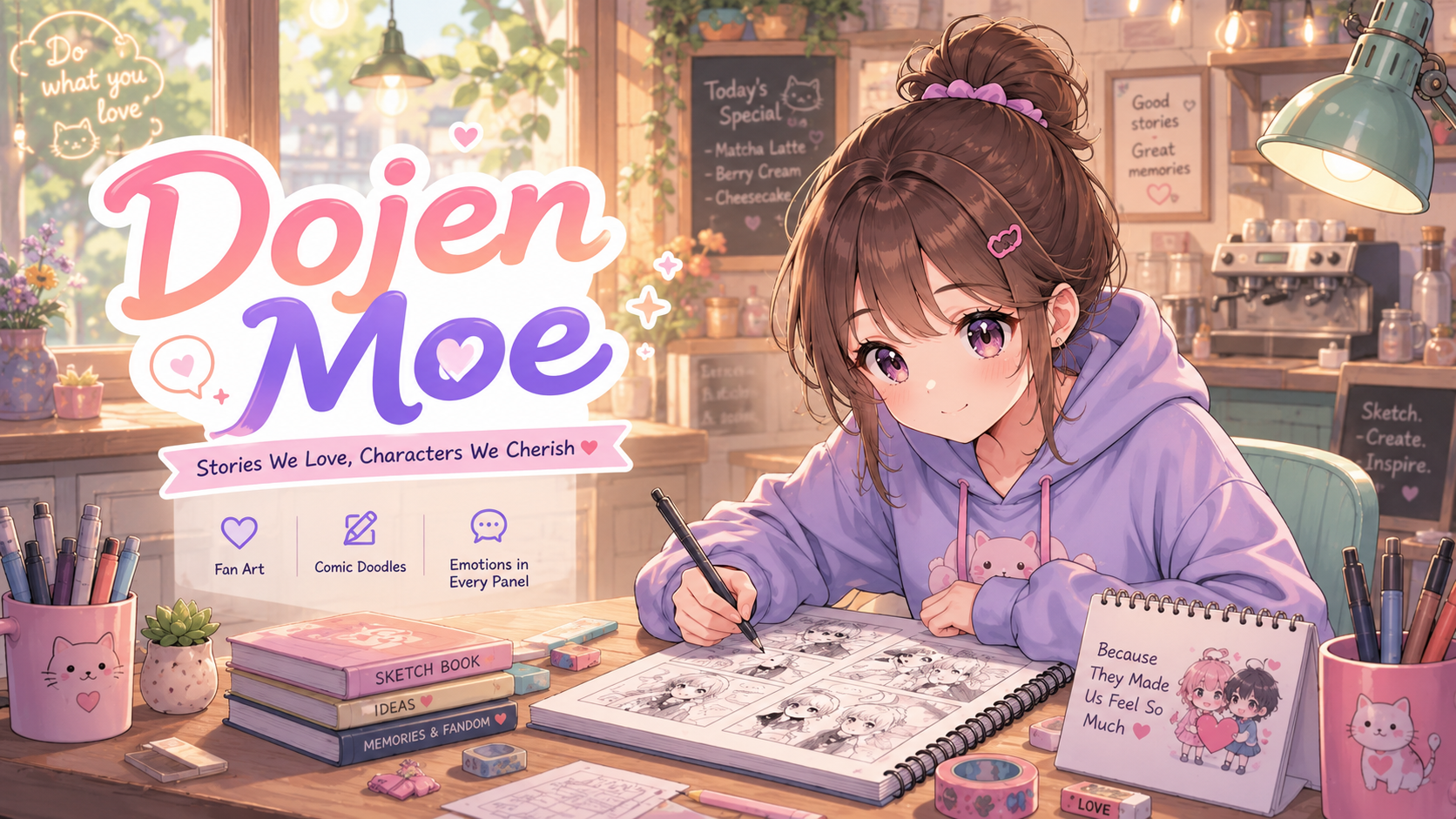
If you have seen the term dojen moe online and felt a little confused, you are not alone. It is one of those anime-related phrases that shows up in searches, blog posts, social media discussions, and fan spaces, but it does not always come with a clear explanation.
Some people write it as doujen moe, others search for doujin moe, dojinmoe, doujin mor, doujun moe, or doujin mow. These spellings may look different, but most of them point toward the same basic idea: a mix of doujin culture, moe anime, fan-made manga, and emotionally appealing anime-inspired art.
The easiest way to understand dojen moe is to break it down into two parts. One side connects to doujinshi, which is self-published or fan-created work. The other side connects to moe, a feeling of affection, warmth, or attachment toward fictional characters, especially in anime, manga, and games.
So, when people search for dojen moe, they are usually trying to understand a soft, fan-driven corner of anime fan culture where independent creativity and cute, emotional character appeal meet.
What Does Dojen Moe Mean?
Dojen moe can be understood as a search-friendly phrase used for fan-created anime-style content with a strong moe aesthetic. It often points to works that feel personal, emotional, cute, expressive, and closely tied to otaku culture.
The word “dojen” is most likely a spelling variation of doujin. In Japanese fan culture, doujinshi usually refers to self-published manga, comics, novels, art books, games, music, or other independent creative works. These works may be original, or they may be inspired by existing anime, manga, games, or characters.
The “moe” part is about feeling. A moe character is not just cute in a basic way. The character gives fans a sense of warmth, fondness, protectiveness, or emotional attachment. This is why cute anime characters, gentle expressions, soft storytelling, and charming character traits are often linked with moe culture.
Put together, dojen moe describes the kind of fan-made content that focuses on emotional connection, character charm, and independent creativity.
Is Dojen Moe a Real Japanese Term?
This is where the topic needs a careful answer. Dojen moe is not as established as words like anime, manga, doujinshi, kawaii, or moe. It appears more like an internet search term, spelling variation, or simplified phrase that people use when looking for doujin moe content.
That does not mean the idea is meaningless. It simply means the spelling is not fixed.
People may search for doujen moe because they heard the word somewhere and guessed the spelling. Others may type dojinmoe as one word because online communities often compress phrases. Searches like doujin mor, doujun moe, and doujin mow are likely typo-based versions of the same idea.
The more accurate phrase is probably doujin moe, because doujin connects directly to doujinshi culture, while moe connects to the emotional and visual appeal of anime characters. Still, since dojen moe is the keyword many users search, it is useful to explain it in a way that clears up the confusion.
The Doujin Side of Dojen Moe
To understand dojen moe, you first need to understand doujin culture.
Doujinshi is built around independent creation. Instead of waiting for a large publisher, studio, or company to approve an idea, fans and artists create their own work. That might be a short comic, a printed booklet, a digital illustration collection, a game, a music project, or a character-based story.
This is why doujinshi has such a strong place in Japanese pop culture. It gives creators space to explore ideas that may be too niche, too personal, or too experimental for mainstream media.
A fan artist might create a short story about two side characters who barely appeared in the original anime. A writer might build an alternate version of a familiar world. An illustrator might design an original character with a soft anime art style and emotional expression. All of this fits naturally into the wider world of fan-created stories and self-published manga.
The charm of the doujin side is freedom. It is less polished sometimes, but often more personal. That personal feeling is one reason doujin works can connect so strongly with fans.
The Moe Side of Dojen Moe
The moe side is all about emotional appeal.
In anime and manga spaces, moe often describes the feeling fans get when a character seems especially endearing. This may come from the character’s design, personality, voice, behavior, vulnerability, innocence, awkwardness, kindness, or quiet emotional moments.
A moe anime character might have soft expressions, gentle body language, shy reactions, or a personality that makes viewers want to support them. But moe is not only about looking cute. It is more about how the character makes the audience feel.
That is why moe aesthetic is often tied to:
cute anime characters, soft character design, emotional storytelling, kawaii culture, slice-of-life anime, anime girls, anime boys, fictional characters, visual novels, manga fandom, and otaku communities.
In dojen moe, this emotional character appeal becomes part of independent fan creativity. The result is content that may feel softer, more intimate, and more character-focused than mainstream anime or manga.
Why Anime Fans Search for Dojen Moe
People search for dojen moe for a few different reasons.
Some are simply curious. They see the phrase on a blog, video title, social media post, or anime-related page and want to know what it means. Because the spelling is unusual, they may search several versions, including doujen moe, doujin moe, dojinmoe, doujin mor, doujun moe, and doujin mow.
Others are looking for anime fan art or fan-made manga with a soft, emotional style. They may already know what moe means, but they want to understand how it connects with doujinshi and independent creators.
Some fans also search the term because they are interested in anime subculture. They want to know how fan communities create their own artwork, stories, characters, and digital spaces outside the mainstream anime industry.
There is also a strong search-intent reason. Dojen moe sounds like a specific term, so users expect a simple meaning, origin, and explanation. A good article should answer that directly instead of making the topic sound more mysterious than it is.
Dojen Moe vs Doujin Moe vs Doujen Moe
The different spellings can make this topic look more complicated than it really is.
Dojen moe is the spelling many users search online. It is likely a simplified or mistaken version of doujin moe.
Doujen moe is another common variation. It appears in some blog titles and search results, but it is still not the standard spelling of doujin.
Doujin moe is the most logical spelling because it combines doujin, meaning fan-created or self-published work, with moe, meaning emotional affection toward characters.
Dojinmoe is a compact spelling. Some users type it this way because online keywords often get combined into one word.
Doujin mor, doujun moe, and doujin mow are most likely typo searches. They do not seem to have separate meanings, but they are still useful to mention because readers may have searched those versions before landing on the correct explanation.
The main point is simple: all these searches are usually trying to reach the same topic — fan-made anime content with a strong moe character appeal.
Main Features of Dojen Moe Content
Because dojen moe is not a strict official genre, it does not have one fixed look. Still, content connected to this idea often shares a few common features.
One major feature is anime-style character design. The characters usually matter more than big action scenes or complex worldbuilding. Their facial expressions, outfits, body language, and emotional reactions carry the feeling of the work.
Another feature is soft storytelling. Many works linked with moe culture focus on friendship, shyness, comfort, everyday life, gentle humor, personal growth, or small emotional moments. A quiet scene between two characters can matter more than a dramatic plot twist.
You may also see a lot of digital fan art, fan comics, original characters, short manga-style stories, and anime-inspired illustrations. These pieces often feel close to the creator’s personal taste rather than something made for a mass audience.
In short, dojen moe content often feels warm, expressive, and fan-driven.
Where Dojen Moe Fits in Online Fan Culture
The internet has changed how anime fandom works. In the past, fan-made work was mostly shared at events, through printed booklets, or inside smaller local communities. Today, fans share fan art, comics, sketches, character sheets, animations, and stories across digital platforms.
That shift helps explain why a term like dojen moe can spread. Even if the phrase is not formally defined, people still search it because online culture moves quickly. A keyword can become popular through curiosity, repeated blog posts, social sharing, and community discussion.
This is also why digital subculture matters. Fans do not always wait for official definitions. They create meaning through use. If enough people connect dojen moe with doujinshi, moe anime, independent creators, and anime character design, the phrase starts to develop a practical meaning in search behavior.
For readers, the best approach is to see dojen moe as part of a wider fan-created world rather than a narrow category with hard rules.
Why Dojen Moe Feels Appealing
The appeal of dojen moe comes from how personal it feels.
Mainstream anime and manga can be amazing, but they are often shaped by studios, publishers, budgets, schedules, and audience expectations. Fan-made manga and doujin-inspired art can feel more direct. A creator can focus on one emotion, one character, one tiny scene, or one idea they truly care about.
That is where the moe aesthetic works well. It makes character emotion the center of the experience. A shy smile, a nervous pause, a small act of kindness, or a soft visual style can make fans feel attached to a character quickly.
For creators, dojen moe also offers freedom. They can explore original characters, alternate stories, niche moods, and gentle themes without needing permission from a large company. For fans, that makes the content feel more intimate and more connected to real community passion.
Common Misunderstandings About Dojen Moe
One common misunderstanding is that dojen moe is an official anime genre. It is better understood as a loose online phrase connected to doujin culture and moe character appeal.
Another misunderstanding is that all doujinshi is the same as dojen moe. That is not true. Doujinshi is a broad category. It can include comedy, drama, parody, action, horror, romance, experimental work, original stories, fan stories, and many other styles. Dojen moe is more specific in feeling because it leans toward emotional warmth and cute character design.
Some people also assume doujin content is always adult content. That is not accurate. While some doujin works are adult-oriented, many are not. There are also wholesome comics, art books, parody stories, original manga, games, music, and general fan projects.
It is also worth remembering that dojen moe may be used differently from one website to another. Some pages describe it as a creative movement. Others treat it as a trend. A more balanced explanation is that it is a search term people use to understand the overlap between doujinshi, moe anime, and fan-made creative expression.
How to Explore Dojen Moe Safely and Respectfully
If you want to explore dojen moe, start with the basics. Learn what doujinshi means, understand the idea of moe, and look at how fans create anime-inspired art around characters they care about.
When viewing or sharing fan art, always respect the creator. Do not repost artwork without credit. Do not remove watermarks. Do not pretend someone else’s work is yours. If an artist has rules about sharing, commissions, or reposting, follow them.
It is also smart to support creators through their official pages, shops, portfolios, or social profiles. Independent artists often rely on direct support, and small actions like crediting, commenting, buying legally, or sharing official links can make a real difference.
If you are creating your own dojen moe-style work, focus on originality. You can be inspired by anime art styles, kawaii visuals, moe characters, and manga fandom, but your best work will come from your own ideas, emotions, and character choices.
A Simple Way to Understand Dojen Moe
The simplest explanation is this:
Dojen moe is an online search term linked to doujin moe, doujinshi culture, and moe anime. It describes fan-made or independent anime-style content that focuses on emotional attachment, soft character appeal, and creative freedom.
It is not a perfectly fixed term, and the spelling can change. But the idea behind it is easy to understand. Fans love characters. Creators make their own stories and art. When those two things come together with a warm, cute, emotional style, people often search for it as dojen moe.
That is why anime fans keep looking it up. They are not just searching for a definition. They are trying to understand a small but interesting part of anime fan culture, where independent creators, fan-made manga, moe aesthetic, and emotional storytelling all come together.