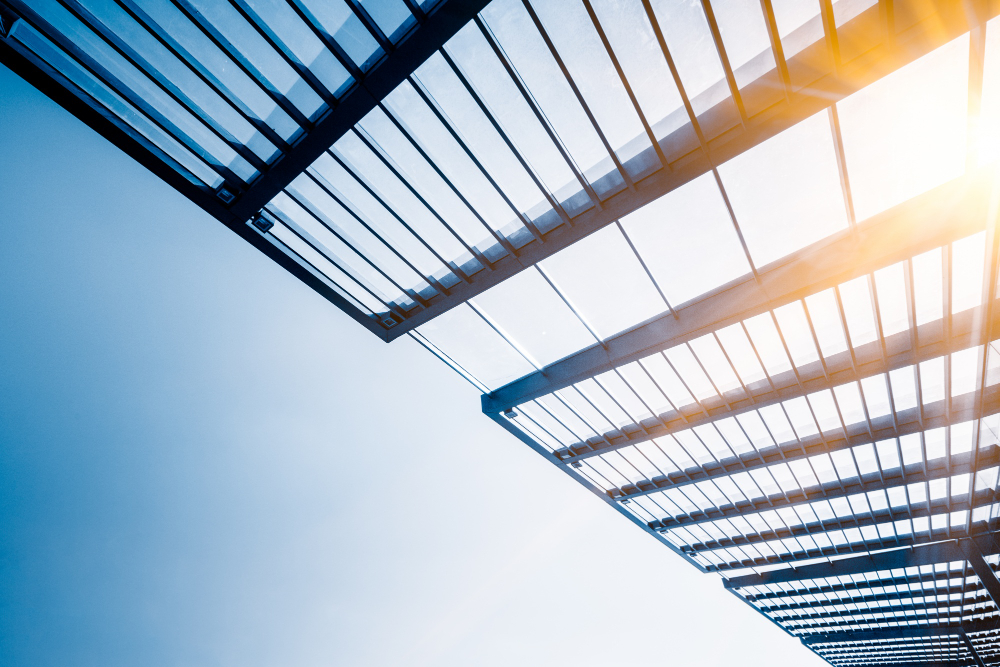
AcrylDach: The Modern Roofing Solution for Style, Durability, and Light
When it comes to modern architecture and outdoor design, homeowners and businesses are increasingly searching for solutions that combine durability, aesthetics, and functionality. One term that’s gaining attention in this space is AcrylDach. Whether you’re planning a patio cover, a carport, or a stylish terrace roof, AcrylDach systems offer a compelling alternative to traditional roofing materials.
In this comprehensive guide, we’ll explore everything you need to know about AcrylDach—what it is, its benefits, applications, installation tips, maintenance, and why it might be the perfect choice for your next project.
What is AcrylDach?
AcrylDach (translated from German as “acrylic roof”) refers to roofing systems made from acrylic glass panels, also known as PMMA (polymethyl methacrylate). These panels are widely used for semi-transparent or transparent roofing structures.
Unlike traditional roofing materials such as tiles, metal sheets, or wood, AcrylDach panels allow natural light to pass through while still providing protection from weather elements.
Why Choose AcrylDach?
1. Exceptional Light Transmission
One of the standout features of AcrylDach is its ability to let in natural sunlight. Acrylic panels can transmit up to 90% of light, making them ideal for spaces where brightness is essential.
This makes AcrylDach perfect for:
- Patios
- Greenhouses
- Conservatories
- Pergolas
You get the benefit of being outdoors while still being protected from rain and UV exposure.
2. Modern Aesthetic Appeal
AcrylDach systems offer a sleek and contemporary look. Whether you prefer clear, frosted, or tinted panels, they add a sophisticated touch to any structure.
Design options include:
- Transparent panels for maximum light
- Opal or milky finishes for diffused lighting
- Tinted sheets for glare reduction
3. Durability and Weather Resistance
Acrylic roofing panels are highly resistant to:
- UV radiation
- Rain and moisture
- Temperature fluctuations
Unlike some plastics, high-quality acrylic does not yellow easily over time. It maintains clarity and strength for many years when properly maintained.
4. Lightweight Yet Strong
Compared to glass, acrylic is significantly lighter while still being robust. This makes installation easier and reduces the need for heavy support structures.
Benefits include:
- Easier handling during installation
- Lower structural load
- Reduced installation costs
5. Versatility in Applications
AcrylDach is incredibly versatile and can be used in a wide range of projects:
Residential Uses
- Patio roofing
- Balcony covers
- Carports
- Garden shelters
Commercial Uses
- Outdoor seating areas for cafes
- Walkway covers
- Skylights
- Entrance canopies
Types of AcrylDach Panels
Choosing the right type of acrylic roofing is essential for achieving the desired results.
1. Clear Acrylic Panels
- Maximum transparency
- Ideal for areas where natural light is a priority
2. Opal (Milky) Panels
- Diffused light
- Reduces harsh sunlight and glare
- Offers more privacy
3. Tinted Panels
- Available in grey, bronze, or other shades
- Helps control heat and brightness
4. Corrugated vs. Flat Panels
Corrugated Panels
- Stronger due to wave-like structure
- Better water drainage
Flat Panels
- Sleek, modern appearance
- Often used in high-end designs
AcrylDach vs Other Roofing Materials
AcrylDach vs Glass
- Acrylic is lighter and more impact-resistant
- Glass is heavier and more fragile
- Acrylic is easier to install
AcrylDach vs Polycarbonate
- Acrylic offers better clarity and aesthetics
- Polycarbonate is more impact-resistant
- Acrylic is more scratch-resistant
AcrylDach vs Metal Roofing
- Acrylic allows light transmission
- Metal provides complete shade
- Acrylic enhances visual appeal
Installation Guide for AcrylDach
Installing an AcrylDach system requires careful planning to ensure durability and performance.
1. Proper Slope
A slight incline is necessary to allow rainwater to drain effectively. Typically, a slope of at least 5–10 degrees is recommended.
2. Expansion Gaps
Acrylic expands and contracts with temperature changes. Always leave adequate spacing between panels to prevent cracking.
3. Use Compatible Fasteners
Only use screws and fittings designed for acrylic materials. Improper hardware can cause stress points and damage.
4. Support Structure
Ensure a stable framework made of:
- Aluminum
- Steel
- Treated wood
The structure should evenly distribute weight and withstand environmental conditions.
5. Professional vs DIY Installation
While DIY installation is possible, hiring professionals ensures:
- Correct alignment
- Proper sealing
- Long-term durability
Maintenance Tips for AcrylDach
Maintaining your AcrylDach system is simple but essential for longevity.
1. Regular Cleaning
Use:
- Mild soap
- Lukewarm water
- Soft cloth or sponge
Avoid abrasive materials that can scratch the surface.
2. Avoid Harsh Chemicals
Do not use:
- Solvents
- Ammonia-based cleaners
- Alcohol-based solutions
These can damage the acrylic surface.
3. Inspect for Damage
Check periodically for:
- Cracks
- Loose fasteners
- Water leakage
Early detection prevents costly repairs.
4. Remove Debris
Leaves, dust, and dirt can accumulate over time. Keeping the surface clean ensures optimal light transmission.
Cost of AcrylDac
The cost of an AcrylDach system varies depending on several factors:
Key Cost Factors:
- Panel thickness
- Type (clear, tinted, opal)
- Size of the project
- Installation complexity
- Frame material
General Price Range:
- Basic panels: Affordable to mid-range
- Premium systems: Higher cost due to design and durability
Although the initial investment may be higher than some materials, the long-term benefits often outweigh the cost.
Environmental Benefits
AcrylDach systems can contribute to sustainability in several ways:
- Reduces need for artificial lighting
- Long lifespan minimizes waste
- Recyclable material (in many cases)
By maximizing natural light, you can reduce electricity consumption and create a more eco-friendly environment.
Common Mistakes to Avoid
When installing or using AcrylDach, avoid these common pitfalls:
- Ignoring expansion gaps → leads to cracks
- Using incorrect cleaners → damages surface
- Poor slope design → water accumulation
- Over-tightening screws → causes stress fractures
Is AcrylDach Right for You?
AcrylDach is an excellent choice if you’re looking for:
- A modern and elegant roofing solution
- Maximum natural light
- Weather protection without sacrificing openness
- A lightweight and durable material
However, if you require extreme impact resistance (e.g., hail-prone areas), you may want to compare it with alternatives like polycarbonate.
Future Trends in AcrylDach Design
As architecture evolves, AcrylDach systems are becoming more advanced:
- UV-coated panels for enhanced protection
- Smart tinting technologies
- Integrated solar panels
- Custom shapes and modular designs
These innovations are making AcrylDach an even more attractive option for modern construction.
Conclusion
AcrylDach is more than just a roofing solution—it’s a design statement that combines functionality with elegance. Its ability to provide natural light, withstand environmental conditions, and enhance the visual appeal of any space makes it a top choice for both residential and commercial projects.