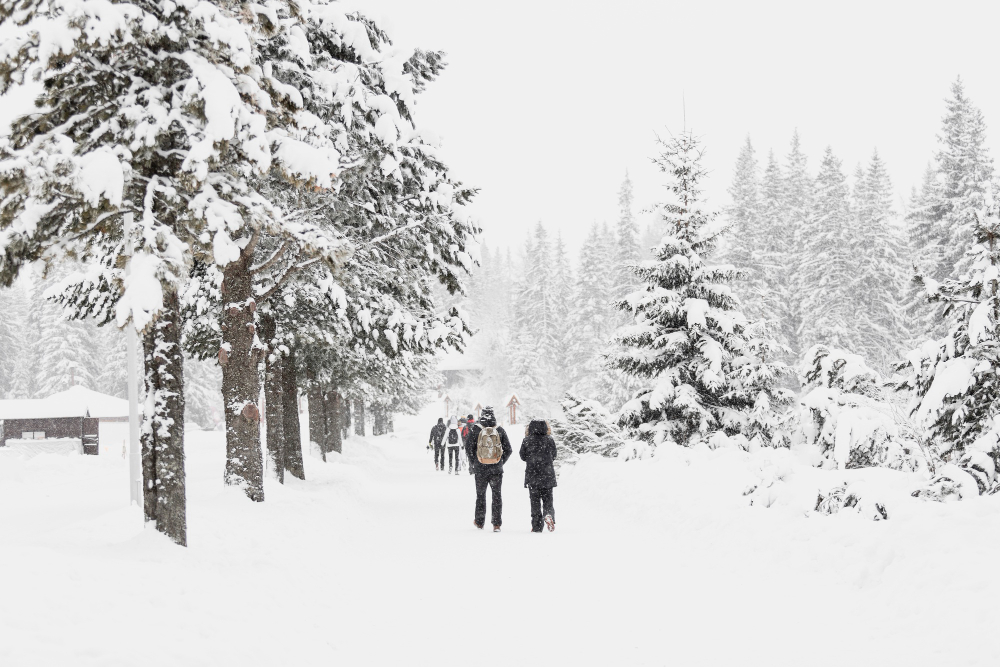
UK Braced for Significant Snowstorm Bringing Potential White Christmas
The phrase “UK braced for significant snowstorm bringing potential White Christmas” has quickly caught attention because it taps into two things people care about every winter: serious weather disruption and the dream of waking up to snow on Christmas morning. For many households, a White Christmas sounds magical. For commuters, drivers, delivery workers, airports, and emergency services, however, a major snow event can create a very different kind of festive season.
As colder air starts to dominate the weather conversation, the possibility of snow has become a major talking point across the UK. A significant snowstorm before or around Christmas would not just change the look of streets, gardens, and rooftops. It could affect road travel, rail services, flights, school closures, energy demand, shopping plans, postal deliveries, and last-minute festive preparations.
Still, it is important to treat dramatic snow headlines carefully. UK winter weather can change quickly, especially when cold air, Atlantic systems, easterly winds, and local temperatures all interact. Snow forecasts often depend on small shifts in wind direction, timing, elevation, and ground conditions. That means a forecast suggesting heavy snow for one region may later turn into rain, sleet, icy showers, or only brief flurries in another.
Why the UK Snowstorm Forecast Is Getting So Much Attention
Snow in the UK always creates strong public interest because it is uneven, unpredictable, and often disruptive. Some areas, especially parts of Scotland, northern England, upland Wales, and higher ground, are much more likely to see snow during cold spells. Southern England, lowland areas, and coastal regions often need a more precise mix of cold air and moisture before snow can settle.
The idea of a significant snowstorm is especially newsworthy because heavy snow can develop when cold air is already in place and a weather front brings moisture across the country. If temperatures are low enough, rain can turn to sleet or snow. If that snow falls for several hours, accumulations may build quickly, particularly on hills, rural roads, exposed routes, and untreated surfaces.
For Christmas week, even a small chance of snow can become a national talking point. People want to know whether they should change travel plans, prepare their homes, allow extra time for shopping, or expect delays. Businesses also pay close attention because snow can affect staffing, deliveries, supply chains, and customer footfall at one of the busiest times of the year.
Could the UK Really See a White Christmas?
A White Christmas in the UK does not always mean deep snow covering every street and countryside field. Officially, the definition is much simpler: snow only needs to be observed falling somewhere in the UK on Christmas Day. That means the country can technically have a White Christmas even if most people never see a flake outside their window.
This is why headlines about a potential White Christmas can sometimes sound more dramatic than the real-life weather. Falling snow in a small part of Scotland, northern England, or another colder pocket may be enough for the label, even if London, Birmingham, Manchester, Cardiff, Belfast, or other major cities stay dry or wet.
A widespread White Christmas, where many areas wake up to lying snow, is much rarer. For snow to settle across large parts of the UK, temperatures need to stay low before, during, and after snowfall. The ground also needs to be cold enough. If the ground is mild or wet, snow may melt quickly even when flakes are falling.
So while the UK may be braced for a snowstorm and a potential White Christmas, the key question is not simply whether snow will fall. The bigger question is where it will fall, how long it will last, whether it will settle, and how much disruption it may cause.
Areas Most Likely to See Snow
When cold weather systems move into the UK, snow risk is usually highest across northern and elevated regions first. Scotland often has the strongest chance, particularly the Highlands, Grampians, and higher routes. Northern England can also be vulnerable, especially the Pennines, Northumberland, Cumbria, County Durham, and upland parts of Yorkshire.
Wales may see snow over higher ground, including Snowdonia and the Brecon Beacons. Northern Ireland can also experience wintry showers when cold air moves in from the north or northwest. In England, the Midlands may see snow if colder air spreads far enough south and meets an active weather front.
Southern England is more uncertain. Snow can happen there, but conditions usually need to line up more precisely. A slight rise in temperature can turn snow into rain, while a small shift in the track of a weather system can move the snow zone many miles north or south.
Coastal areas often face another challenge: sea temperatures can keep nearby air slightly milder. This means snow may fall inland or over hills while coastal towns receive rain, sleet, or wet snow that does not settle.
What Makes a Snowstorm Significant?
A snowstorm becomes significant when it affects daily life beyond a few scenic flurries. In the UK, even moderate snow can cause problems because many areas do not experience frequent heavy snowfall. Roads may become dangerous, rail lines can be affected, airports may need de-icing operations, and pavements can become slippery.
A significant snowstorm may bring several key risks:
Heavy snowfall over a short period can reduce visibility and make driving hazardous. Accumulating snow can block rural routes, especially where roads are narrow or exposed. Ice may form overnight as temperatures fall below freezing. Strong winds can cause drifting snow on higher roads. Power lines and trees may come under pressure if snow is wet and heavy.
The timing matters too. Snow just before Christmas can be especially disruptive because millions of people are travelling, shopping, visiting family, or relying on deliveries. Even a short spell of heavy snow can create delays if it hits during peak travel hours or affects major roads, rail hubs, airports, and ferry routes.
Travel Disruption Could Be the Biggest Concern
For many people, the main concern is not whether the snow looks festive. It is whether they can safely get where they need to go. A significant UK snowstorm around Christmas could affect motorways, A-roads, rural lanes, and city streets. Ice can be just as dangerous as snow, especially after dark or early in the morning.
Rail services may face delays if snow and ice affect tracks, points, signalling equipment, or overhead lines. Airports may need extra time for runway clearing and aircraft de-icing, which can cause delays even when flights are not cancelled. Bus services may be reduced in hilly or untreated areas.
Drivers should be especially cautious if snow is forecast. Winter essentials such as a charged phone, warm clothing, water, snacks, a torch, a blanket, de-icer, and a scraper can make a big difference during delays. It is also wise to check tyres, lights, screenwash, and fuel levels before making longer journeys.
Anyone planning Christmas travel should keep plans flexible where possible. Leaving earlier, avoiding exposed routes, checking local updates, and allowing extra time can reduce stress if conditions worsen.
How Snow Could Affect Christmas Plans
A potential White Christmas may sound exciting, but a snowstorm can complicate festive plans quickly. Families may need to adjust travel arrangements, supermarkets may experience delivery delays, and online orders could take longer to arrive. Events, church services, Christmas markets, and public gatherings may also be affected if conditions become unsafe.
For households hosting family or guests, it makes sense to prepare early. Buying essentials ahead of time, checking heating systems, keeping torches available, and making sure vulnerable relatives are safe can help avoid last-minute problems. People who rely on medication should also check supplies before severe weather arrives.
Pet owners should be mindful too. Dogs may enjoy snow, but icy pavements, rock salt, and freezing temperatures can be uncomfortable or harmful. Outdoor animals need shelter, water that has not frozen, and extra care during prolonged cold.
Why UK Snow Forecasts Can Change Quickly
Snow forecasting in the UK is difficult because the country sits between different weather influences. Mild Atlantic air, cold Arctic air, continental easterlies, and local sea effects can all shape the outcome. A small change in temperature, even by one or two degrees, can decide whether an area gets rain, sleet, wet snow, or settling snow.
Elevation is another major factor. A town at low level may see rain while nearby hills receive several centimetres of snow. Time of day matters as well. Snow falling at night or early morning is more likely to settle because temperatures are lower. During the day, marginal temperatures and ground warmth may cause snow to melt faster.
This is why responsible forecasts often use cautious language such as “possible,” “risk,” “chance,” or “wintry showers.” A snowstorm may be likely in broad terms, but the exact details can remain uncertain until closer to the event.
How to Prepare for a Significant Snowstorm
Preparation does not need to be dramatic. A few simple steps can make a winter weather event much easier to manage. Households should check that they have basic food, warm clothing, batteries, phone chargers, and any important medication. It is also useful to know where stop taps, fuse boxes, and emergency contacts are.
For homes, keeping heating systems working efficiently is important during cold spells. Pipes in exposed areas may need insulation, and outdoor taps should be protected where possible. If temperatures are expected to stay below freezing, icy paths and driveways may need grit or salt.
For workers and businesses, snow planning can include remote work options, adjusted opening hours, delivery flexibility, and clear communication with staff and customers. Schools and care providers may also need plans in place if roads become unsafe.
The Difference Between Festive Snow and Dangerous Weather
There is a big difference between light Christmas snow and a significant snowstorm. Light snow may create a festive mood without causing much disruption. A major snow event, however, can affect safety, transport, and essential services.
The most dangerous conditions often come after the snow falls. Melted snow can refreeze into black ice. Slush can become slippery. Snow pushed to the side of roads can block drains. Freezing fog may reduce visibility. Older people, young children, and those with health conditions are more vulnerable during cold weather, especially if heating is limited or travel becomes difficult.
That is why the best approach is balanced. Enjoy the possibility of a White Christmas, but take warnings seriously if they are issued. Snow can be beautiful, but it can also become hazardous very quickly.
What This Means for the Days Ahead
The keyword “UK braced for significant snowstorm bringing potential White Christmas” captures the mood of uncertainty that often surrounds British winter weather. There may be a real risk of snow in some areas, and colder conditions could increase the chances of wintry scenes. But the exact outcome will depend on timing, temperature, elevation, and how weather systems develop.