
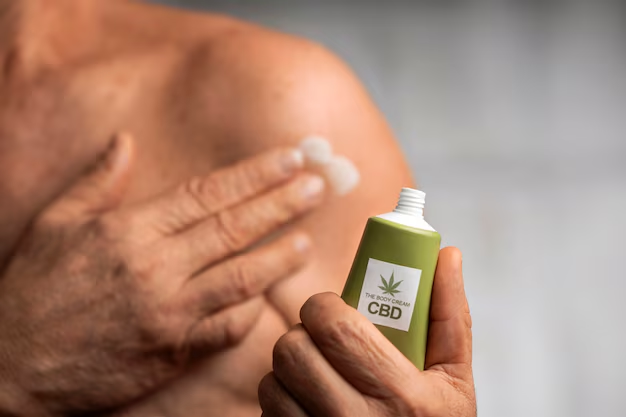
Lotion for Itching: How to Soothe Your Skin and Relieve Irritation
Itchy skin is more than just a minor annoyance—it can interfere with your daily life, sleep, and overall comfort. The right lotion for itching can make a huge difference in managing irritation, dryness, and skin conditions. In this comprehensive guide, we will explore why skin itches, what ingredients work best in lotions, and how to choose the right product for your needs.
Understanding Why Skin Itches
Before diving into the best lotions for itching, it’s important to understand the causes of itchy skin. Itching, medically known as pruritus, can result from various factors, including:
- Dry Skin (Xerosis): One of the most common causes of itching, especially in winter months or in dry climates.
- Allergic Reactions: Contact with certain fabrics, detergents, or skincare products can trigger itchy rashes.
- Skin Conditions: Conditions such as eczema, psoriasis, or dermatitis often lead to persistent itching.
- Insect Bites: Mosquitoes, fleas, and other insect bites can leave the skin irritated.
- Internal Factors: Liver disease, kidney issues, or even stress can sometimes manifest as itchy skin.
By understanding the underlying cause, you can choose a lotion for itching that addresses the problem effectively.
Key Ingredients to Look for in a Lotion for Itching
Not all lotions are created equal. Some provide hydration, while others actively reduce inflammation or calm irritated skin. Here are key ingredients to look for:
1. Hydrating Agents
- Glycerin and hyaluronic acid help retain moisture in the skin, preventing dryness and flaking.
- Shea butter and cocoa butter provide deep hydration, which is especially useful for very dry skin.
2. Soothing Ingredients
- Aloe vera calms inflammation and reduces redness.
- Chamomile extract has anti-inflammatory properties that help relieve itching.
- Oatmeal (colloidal oatmeal) is clinically proven to soothe itchy, irritated skin.
3. Anti-Itch Agents
- Menthol provides a cooling sensation that distracts from the itch.
- Pramoxine is a mild anesthetic found in some over-the-counter lotions for targeted itch relief.
- Calamine helps with itching from insect bites or mild rashes.
4. Barrier Repair Ingredients
- Ceramides and fatty acids strengthen the skin barrier, preventing moisture loss and protecting against irritants.
By combining hydration, soothing, and anti-itch properties, you can select a lotion that tackles both the symptoms and causes of itching.
Choosing the Right Lotion for Your Skin Type
When selecting a lotion for itching, consider your skin type and the severity of your itch.
For Dry Skin
If your skin is dry and flaky, a rich emollient lotion with shea butter or ceramides is ideal. Apply immediately after showering to lock in moisture.
For Sensitive Skin
Look for fragrance-free lotions with oatmeal, aloe vera, or chamomile. Avoid products with alcohol or artificial dyes, which can worsen irritation.
For Eczema or Psoriasis
Opt for thick, therapeutic lotions containing ceramides, colloidal oatmeal, or pramoxine. These ingredients help repair the skin barrier and reduce inflammation.
For Bug Bites or Minor Irritations
Lotions with calamine or menthol can provide quick relief from itchy bites.
How to Properly Apply Lotion for Itching
Even the best lotion won’t work effectively if applied incorrectly. Follow these steps for maximum relief:
- Clean the Area: Wash gently with lukewarm water. Avoid hot water, which can worsen dryness and itching.
- Pat Dry: Do not rub vigorously; gentle patting preserves skin moisture.
- Apply Generously: Cover the entire affected area with a thin layer of lotion. For severe dryness, use slightly thicker layers.
- Reapply as Needed: Dry or itchy skin may require 2–3 applications per day. Focus on problem areas and after washing hands or bathing.
- Avoid Scratching: Scratching can damage the skin and prolong irritation. Using lotion at the first sign of itching helps prevent this.
Home Remedies to Enhance Lotion Effects
While lotions are the first line of defense, incorporating simple home remedies can enhance relief:
- Cool Compresses: Apply a damp, cool cloth to itchy areas for instant soothing.
- Oatmeal Baths: Add colloidal oatmeal to a lukewarm bath to calm widespread itching.
- Humidifiers: Dry indoor air can aggravate itching; using a humidifier helps maintain skin hydration.
- Loose Clothing: Wear breathable fabrics like cotton to reduce friction and irritation.
When to See a Doctor
Most itching can be managed with over-the-counter lotions and home remedies. However, you should seek medical attention if:
- The itching persists for more than two weeks despite home care.
- You notice swelling, severe redness, or signs of infection.
- Itching is accompanied by other symptoms such as fatigue, jaundice, or unexplained weight loss.
- You have chronic conditions like eczema or psoriasis that are flaring up.
A dermatologist can recommend prescription-strength creams or identify underlying conditions that may require targeted treatment.
Tips for Preventing Itchy Skin
Prevention is always better than treatment. Here are some strategies:
- Moisturize Daily: Apply a lotion for itching regularly to prevent dryness.
- Stay Hydrated: Drink plenty of water to keep your skin hydrated from within.
- Avoid Harsh Soaps: Use mild, fragrance-free cleansers to reduce irritation.
- Limit Hot Showers: Hot water strips natural oils from your skin, leading to dryness and itching.
- Protect Skin from Irritants: Wear gloves when handling chemicals or detergents, and avoid rough fabrics.
By incorporating these habits, you can maintain healthy, itch-free skin year-round.
Top Features to Look for in an Effective Lotion for Itching
When browsing options in stores or online, keep an eye out for lotions that:
- Provide long-lasting hydration.
- Contain soothing and anti-inflammatory ingredients like oatmeal or aloe vera.
- Are fragrance-free and gentle, especially for sensitive skin.
- Offer barrier repair benefits through ceramides or fatty acids.
- Have cooling or anti-itch agents like menthol or pramoxine.
Final Thoughts
Itchy skin can be frustrating, but the right lotion for itching can make a significant difference. By understanding your skin type, choosing a product with effective ingredients, and applying it correctly, you can find relief and maintain healthy, comfortable skin. Remember, persistent or severe itching may require professional advice to rule out underlying conditions.