
Koriandri: The Ultimate Guide to Benefits, Uses, and Everything You Need to Know
When it comes to versatile herbs that enhance both flavor and health, koriandri stands out as a true powerhouse. Known for its aromatic leaves and nutrient-rich seeds, koriandri has been used for centuries across various cultures in cooking, traditional medicine, and even skincare. Whether you are a food enthusiast, a health-conscious individual, or simply curious about natural remedies, this comprehensive guide will walk you through everything you need to know about koriandri.
What is Koriandri?
Koriandri, commonly referred to as coriander or cilantro in different parts of the world, is a herb derived from the Coriandrum sativum plant. Interestingly, every part of the plant is edible:
- Leaves – Often called cilantro, used fresh in dishes
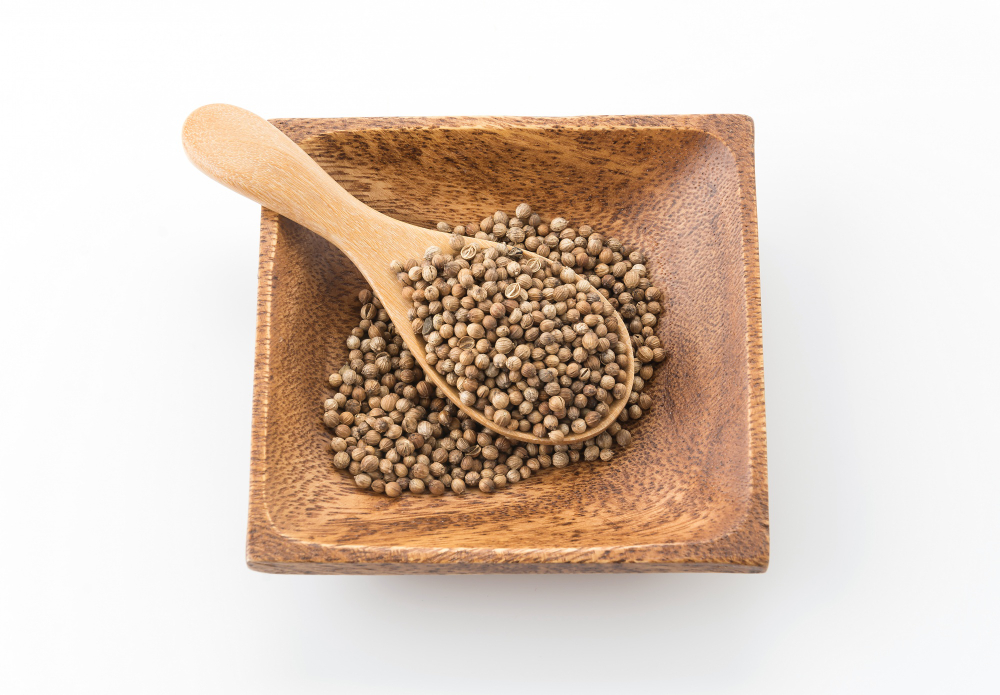
- Seeds – Known as coriander seeds, used as a spice
- Roots – Common in Asian cuisines
Its unique flavor profile combines citrusy, earthy, and slightly sweet notes, making it a staple ingredient in many global cuisines.
Nutritional Value of Koriandri
Koriandri is not just about flavor—it is packed with essential nutrients. It contains:
- Vitamin A, C, and K
- Antioxidants
- Dietary fiber
- Iron and magnesium
- Essential oils
These nutrients contribute to overall health, making koriandri a valuable addition to your daily diet.
Health Benefits of Koriandri
1. Supports Digestive Health
One of the most well-known benefits of koriandri is its ability to improve digestion. It helps stimulate digestive enzymes, reducing issues like bloating, gas, and indigestion. Drinking koriandri-infused water is a traditional remedy for digestive discomfort.
2. Helps Regulate Blood Sugar
Koriandri seeds are known to help manage blood sugar levels. They enhance insulin activity and reduce sudden spikes in glucose, making them beneficial for individuals dealing with diabetes.
3. Rich in Antioxidants
The herb is loaded with antioxidants that help combat free radicals in the body. This can reduce the risk of chronic diseases and support overall cellular health.
4. Promotes Heart Health
Koriandri may help lower bad cholesterol (LDL) and increase good cholesterol (HDL). It also helps regulate blood pressure, reducing the risk of cardiovascular diseases.
5. Boosts Immunity
Thanks to its high vitamin content and antimicrobial properties, koriandri strengthens the immune system and helps the body fight infections.
6. Supports Skin Health
Koriandri has anti-inflammatory and antibacterial properties that can help treat acne, rashes, and other skin conditions. It is often used in natural skincare remedies.
Culinary Uses of Koriandri
Koriandri is a kitchen essential across the globe. Here’s how it is commonly used:
Fresh Leaves
- Garnishing soups, curries, and salads
- Adding freshness to chutneys and sauces
- Used in tacos, salsas, and wraps
Seeds
- Ground into spice blends like curry powder
- Used whole in pickles and marinades
- Adds depth to roasted vegetables and meats
Powder
- Convenient form for seasoning dishes
- Widely used in Indian, Middle Eastern, and Latin cuisines
Koriandri in Traditional Medicine
Koriandri has a long history in traditional healing systems:
- Used as a detoxifying agent
- Helps relieve anxiety and stress
- Acts as a natural anti-inflammatory remedy
- Supports respiratory health
Many cultures use koriandri tea as a natural treatment for colds and digestive issues.
How to Grow Koriandri at Home
Growing koriandri is easy and rewarding, even for beginners.
Steps to Grow:
- Choose a sunny spot – Koriandri thrives in sunlight
- Use well-drained soil – Prevents root rot
- Sow seeds directly – They grow quickly
- Water regularly – Keep soil moist but not soggy
- Harvest frequently – Encourages fresh growth
Within a few weeks, you can enjoy fresh koriandri straight from your garden.
How to Store Koriandri
Proper storage ensures maximum freshness and flavor:
Fresh Leaves
- Store in the refrigerator wrapped in a damp cloth
- Can also be kept in a jar with water like flowers
Seeds and Powder
- Keep in airtight containers
- Store in a cool, dry place
Possible Side Effects
While koriandri is generally safe, excessive consumption may lead to:
- Allergic reactions in some individuals
- Lower blood pressure too much
- Digestive discomfort if consumed in large quantities
It is always best to consume it in moderation.
Koriandri vs Cilantro: What’s the Difference?
This often confuses many people:
- Koriandri / Coriander – Refers to the seeds
- Cilantro – Refers to the leaves
However, in many regions, the term “koriandri” is used interchangeably for the entire plant.
Why You Should Add Koriandri to Your Diet
Incorporating koriandri into your daily meals can:
- Enhance flavor naturally
- Improve digestion
- Provide essential nutrients
- Support long-term health
It’s a simple yet powerful ingredient that offers both culinary delight and health benefits.
Final Thoughts
Koriandri is more than just a garnish—it is a nutritional powerhouse with countless benefits. From improving digestion to boosting immunity and enhancing the taste of your favorite dishes, this humble herb deserves a permanent place in your kitchen.
Whether you use it fresh, dried, or powdered, adding koriandri to your meals is a small step that can lead to significant health improvements. Start incorporating it today and experience the difference it can make in both your cooking and overall well-being.
FAQs About Koriandri
1. Can koriandri be eaten daily?
Yes, in moderate amounts, it is safe and beneficial for daily consumption.
2. Is koriandri good for weight loss?
It may support weight loss by improving digestion and metabolism.
3. Can I drink koriandri water?
Yes, koriandri water is often used as a natural detox drink.
4. Does koriandri help with skin problems?
Yes, its antibacterial properties can help improve skin health.